Versatile Outside Plant Boxes for Every Garden
Intro
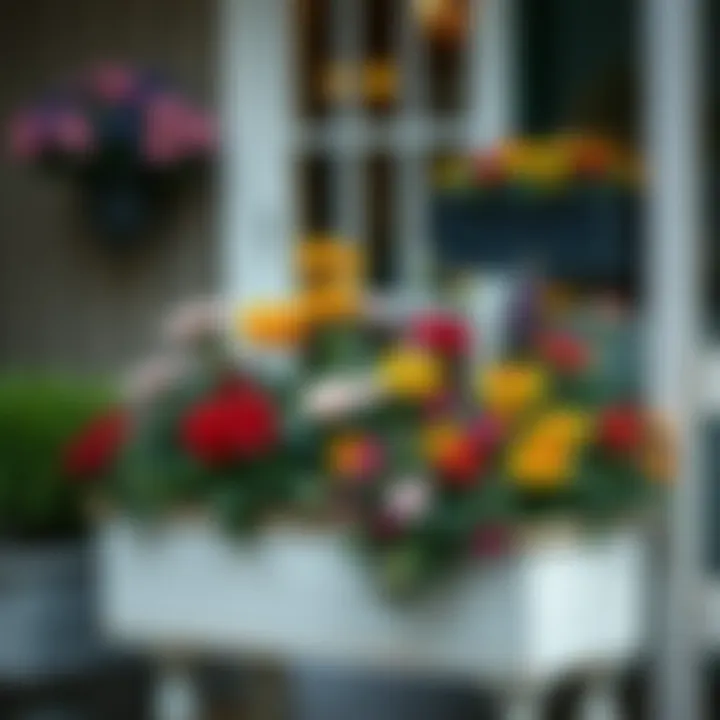
Outside plant boxes serve not just to beautify a space but play a crucial role in enhancing our outdoor environments. They fulfill our desire for greenery while allowing for creativity and personalization in design. From a simple herb garden to a lavish display of flowers, the versatility of these boxes is boundless.
Every homeowner or designer, with a knack for aesthetics, should contemplate the integration of these boxes into their outdoor settings. Whether you're urban gardening in a tight balcony or landscaping a sprawling backyard, plant boxes offer solutions that fit various needs and tastes.
Moreover, as the world embraces sustainable living, outside plant boxes echo this movement—encouraging biodiversity while allowing us to engage with nature.
Furniture Design Trends
Emerging Styles
The world of outdoor furniture is witnessing a shift, harmonizing with the trends in outside plant boxes. Take for example the emergence of minimalist designs which prioritize functionality without sacrificing aesthetics. Clean lines and neutral tones make these plant boxes a perfect candidate for contemporary outdoor spaces.
You might notice wooden plant boxes, often crafted from reclaimed wood, gaining traction as they meld rustic charm with modern sensibilities. Pairing these with sleek aluminum or powder-coated metal gives a rugged yet polished feel to any landscape.
Moreover, sustainable materials are dictating the conversation. Boxes constructed from recycled plastics not only withstand the elements but illustrate responsibility towards the environment.
Color Palettes and Patterns
Color is fundamental when it comes to outside plant boxes. While some opt for muted shades to blend subtly with the surroundings, others choose to make a bold statement.
Earthy tones—think browns, greens, and greys—are prevalent as they seamlessly integrate into a natural setting. However, the trend is also seeing pops of vibrant colors, like terracotta, which add warmth and character to outdoor arrangements.
Patterns are being explored as well. Geometric patterns can lend a contemporary touch, whereas floral motifs evoke a sense of whimsy and connection to nature. When selecting color palettes and patterns, one must always consider the overall design aesthetics of the furniture and space.
"Incorporating outside plant boxes can transform any outdoor area into a harmonious garden incline, blending design with nature effortlessly."
DIY Projects and Customization
Step-by-Step Guides
One exciting aspect of outside plant boxes is the potential for personalized expression through DIY projects. Creating your own plant box is not merely about cultivation; it's about crafting something unique.
- Select Your Design: Determine the dimensions that fit your space—consider how deep and wide you want the box to be.
- Choose Materials: Depending on your style, pick between wood, metal, or even composite materials for durability.
- Construct the Box: Cut your materials according to your design and assemble them to form the box structure. Paint or stain if desired.
- Drainage: Ensure there are holes at the bottom for proper drainage; you wouldn’t want your plants to drown!
- Soil and Plant: Add a suitable potting mix and plant your chosen botanicals.
Tools and Materials Needed
To embark on crafting your unique outdoor plant box, gather the following materials:
- Wood/Metal sheets
- Exterior paint or sealant (if applicable)
- Screws or nails
- Drill/screwdriver
- Saw or cutting tool
- Measuring tape
- Soil and plants of choice
Arming yourself with the right tools not only smoothens the process but also makes the activity enjoyable.
Integrating outside plant boxes into your living space reflects not only your aesthetic preferences but also your commitment to sustainable practices. As we delve deeper into the world of plant boxes, each section further elucidates their design, functionality, and overall impact on our surroundings. This guide serves as a platform for both inspiration and practical tips, aimed at enthusiasts eager to enhance their outdoor experiences.
Prolusion to Outside Plant Boxes
Outside plant boxes serve as an essential element for those who wish to blend nature within their outdoor surroundings. The appeal of these versatile containers stretches beyond mere aesthetics; they provide a functional way to manage and showcase plant life in various settings. In today’s urban environment, where space can be at a premium, these boxes have become indispensable for gardeners and homeowners alike. Integrating plant boxes into outdoor areas not only enhances the beauty of residential spaces, but also contributes to air quality and biodiversity within cities.
The importance of outside plant boxes is highlighted by their adaptability. They can fit nearly any environment—balconies, patios, front yards, or urban rooftops—thereby accommodating both grand landscaping ambitions and small-space gardening endeavors. Additionally, with the right selection of materials and plants, these boxes can reflect personal style while also being environmentally friendly. The rising popularity of community gardening initiatives further emphasizes how plant boxes enable cultivation and collaboration among neighbors, transforming ordinary patches of land into vibrant green spaces.
In this article, we will explore what constitutes outside plant boxes, their historical progression, the various types available, and the practical considerations for selecting the right box for specific needs. By drawing on a wide array of examples and insights, we aim to provide a comprehensive understanding that can guide homeowners, designers, and gardening enthusiasts in making informed choices.
"Plant boxes are not just for decoration; they’re a statement of love for nature and a commitment to sustainability."
Through enriching knowledge on outside plant boxes, we hope to inspire innovative gardening solutions that harmonize with the design of modern living spaces.
Types of Outside Plant Boxes
Understanding the different types of outside plant boxes is crucial for anyone looking to enhance their outdoor environment. The variety of choices available enables homeowners and designers to tailor their selections to suit personal tastes, functional needs, and environmental conditions. With an array of materials and styles, the right plant box can significantly enhance the aesthetic appeal of a garden, deck, or patio.
Traditional Wooden Boxes
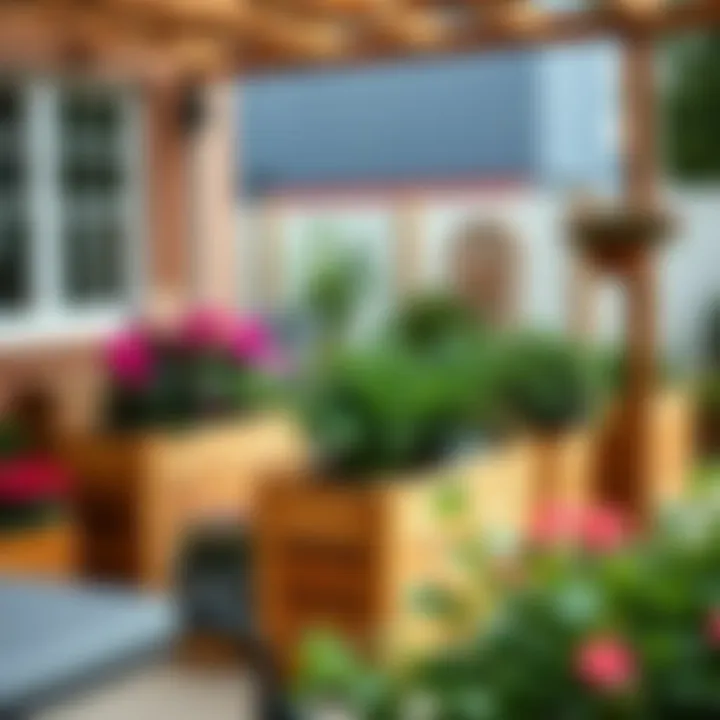
Wooden boxes have long been a staple in gardening due to their natural appearance and sturdiness. The warmth of wood adds a rustic charm that fits well in various garden styles—from classic to contemporary.
Some benefits of wooden boxes include:
- Insulation: Wood naturally insulates the soil, helping to maintain consistent moisture and temperature levels.
- Aesthetic Appeal: The organic look of wood blends seamlessly with greenery, creating a harmonious outdoor aesthetic.
- Customization: Wooden boxes can be easily painted or stained, allowing homeowners to personalize them to match their outdoor decor.
However, it’s essential to consider the maintenance involved. Untreated wood may rot over time. So, opting for treated wood or applying a sealant is advisable for longevity.
Metal and Galvanized Containers
Metal containers, particularly galvanized options, offer a modern twist to plant gardening. Their sleek finishes and industrial look appeal to those with a penchant for contemporary aesthetics. Additionally, metal boxes are durable and resistant to weather extremes.
Key considerations for using metal containers include:
- Durability: Metal boxes last longer than wooden ones, as they are not susceptible to rotting or insect damage.
- Heat Retention: They can get quite hot in direct sunlight. This means careful consideration must be given to which plants are housed within.
- Weight: Their heft makes them less prone to being blown away by strong winds, but they can be more challenging to relocate.
Ceramic and Terracotta Options
Ceramic and terracotta pots are beloved among gardening enthusiasts for their aesthetic variety and breathability. Terracotta, with its distinctive reddish-brown hue, provides a traditional look, while glazed ceramic options range in vibrant colors and designs, adding flair to any garden layout.
Advantages of these materials include:
- Porosity: Terracotta promotes air exchange and proper drainage, preventing root rot and excess humidity.
- Variety in Design: Both ceramic and terracotta pots come in various shapes, sizes, and colors, allowing for personalization.
- Weight and Stability: Often heavier compared to plastic, these materials add stability, ensuring they remain secure against wind or outdoor elements.
Vertical and Wall-Mounted Designs
With the rise of urban gardening and smaller living spaces, vertical and wall-mounted plant boxes have gained immense popularity. They maximize space and can transform bare walls into lush green canvases.
Benefits of vertical and wall-mounted designs include:
- Space Efficiency: Ideal for balconies or small yards, these designs allow for the cultivation of multiple plants without requiring significant ground area.
- Accessibility: Elevated plants can be easier to maintain for those who might struggle with bending down to tend lower boxes.
- Aesthetic Versatility: These setups can act as art pieces, integrating greenery into the overall decor of outdoor spaces.
Selecting the Right Plant Box
Choosing the right outside plant box is crucial, not just for aesthetics, but also for the health and growth of your plants. The proper selection influences everything from how much sunlight your plants receive to how much water they drain. It's the difference between having a thriving mini-garden and dressing a space that looks more like a barren wasteland.
When considering plant boxes, there are several elements to keep in mind that can enhance not just your gardening experience, but the overall look of your outdoor area.
Considerations for Size and Scale
One of the first things to consider is size. A plant box that's too small simply won’t accommodate the roots of larger plants, leading to stunted growth. Conversely, an oversized planter can dwarf your favorite flowers or herbs. When selecting a box, evaluate the space where it will reside. Measure the area to ensure it complements rather than overwhelms your available square footage.
- Growing Space: Ensure there is enough depth to allow roots to establish.
- Proportion: The height and width should suit the plants and the overall design of the yard.
- Plant Type: For example, a few small succulents might need only a small pot, while a tomato plant requires a much larger surface area.
A good rule of thumb is to research how much space specific plants need. Remember that many plants thrive on companionship, so plan your boxes accordingly.
Assessing Material Durability
Next, let’s talk about materials. Different materials bring various advantages and disadvantages. Some may withstand the elements better while others may foster a quicker growth environment. Here are some common options:
- Wood: Classic and oftentimes has great aesthetic appeal; however, untreated wood can rot over time unless planned for properly with appropriate sealing or treatment.
- Metal: Galvanized steel offers a modern look and is incredibly durable. However, it can heat up rapidly in direct sunlight, which may harm your plants depending on their needs.
- Ceramic: They look lovely and come in many colors, but they can break easily if not suitable for your climate.
It’s always a good practice to check the durability of the materials, especially their resistance to UV light and moisture exposure. The longevity of your plant box can save a great deal of effort and expense down the line.
Style Alignment with Existing écor
Last, but certainly not least, is the style. The design of your outside plant box should not only suit the plants it holds but also harmonize with the existing exterior décor of your home or garden. Consider if you prefer a rustic charm with wooden boxes, a sleek modern vibe with metal planters, or perhaps a colorful ceramic option that stands out.
- Cohesiveness: Ensure that the design complements your overall landscaping.
- Theme Consistency: If your home embraces a coastal theme, think about shades of blue or white materials that reflect that.
- Functionality Coupled with Aesthetics: Who says functionality can’t be stylish? Certain designs incorporate trellises or stands that serve dual purposes.
There’s a saying that goes, "The devil is in the details," and when it comes to outside plant boxes, this couldn't be truer. Careful selection can yield beautiful results.
Practical Uses of Outside Plant Boxes
The practicality of outside plant boxes is often underestimated. These versatile structures serve many purposes beyond merely holding plants. They can become integral features of outdoor spaces, enhancing both aesthetics and functionality. Understanding these varied uses can help any homeowner or designer unlock the full potential of their external environments.
Enhancing Aesthetic Appeal
One of the most apparent benefits of outside plant boxes is the enhancement of aesthetic appeal. They act like charming accessories to your landscape, introducing color, texture, and structure. For example, a well-placed wooden box can add a rustic touch to a modern patio.
- Contrast and Harmony: Using contrasting materials can establish exciting visual interest. Imagine sleek, metallic boxes juxtaposed with lush greenery. This contrast draws the eye and makes the whole scene pop.
- Seasonal Displays: You can rotate plants throughout the seasons. Spring flowers, summer herbs, and autumn foliage can all find their home in the same box, allowing for ever-changing beauty. This rotating dynamic prevents monotony in an outdoor space.
"Plant boxes allow you to express creativity while enhancing your property’s appeal. They can be swapped out, redesigned, or painted according to your personal style."
Functional Urban Gardening Solutions
In urban environments, space is often at a premium. Outside plant boxes provide an effective solution for individuals looking to engage in gardening despite limited space. Vertical gardening, for example, can convert even the smallest balconies into green havens.
- Utilizing Vertical Space: Wall-mounted boxes or tiered designs can carry a variety of herbs or flowers while making clever use of height. This not only maximizes space but also serves to purify the air, positively impacting the urban landscape.
- Access to Fresh Produce: Growing edible plants in these boxes can lead to a rewarding and sustainable way of sourcing food. Imagine having fresh basil or tomatoes just a few steps away from your kitchen. Plant boxes facilitate this seamless transition from garden to table.
Creating Privacy Screens and Barriers
Outside plant boxes can serve yet another practical purpose: the creation of privacy screens or barriers. They make effective partitions between properties or sections of a yard, creating distinct, cozy spaces.
- Strategic Placement: By grouping taller boxes, one can create a natural barrier without the need for tall fences. This not only provides privacy but also allows for sunlight to filter through, something solid fences often restrict.
- Sound Absorption: Plants in these boxes can also act as sound barriers, absorbing some noise levels from busy streets or neighbors. This can significantly enhance the tranquility of an outdoor area.
In summary, the practical uses of outside plant boxes extend far beyond simple plant holders. They beautify, facilitate urban gardening, and provide needed privacy. By recognizing all these roles, homeowners and designers can make informed choices to elevate their outdoor spaces.
Maintenance and Care for Outside Plant Boxes
Taking care of outside plant boxes is often the key to ensuring that they flourish and remain functional over time. Dead plants, too much water, or poor soil can turn even the prettiest box into an eyesore. A little attention goes a long way in keeping your plants healthy and vibrant. This section breaks down the essential elements of watering, soil management, and seasonal care that gardeners of any skill level should consider.
Watering Considerations
Watering isn’t just filling a bucket and dumping it in the box. It’s an art that requires attention and the understanding of various factors that impact plant hydration. First off, the type of plant dictates its watering needs. For example, succulents and cacti prefer arid conditions, while ferns need more moisture. Therefore, knowing your plants becomes vital to their health.
Overwatering is one of the biggest pitfalls many face. Too much moisture can drown the roots, leading to rot. So, while it's tempting to keep the soil wet, try sticking your finger an inch deep; if it’s dry, it's time to water. A simple drip irrigation system could also be employed to make sure your plants receive consistent hydration without the risk of flooding.
- Water early in the morning when the sun is low to reduce evaporation loss.
- Use mulch to help retain soil moisture and reduce the need for constant watering.
- Observe plant signals: wilting or yellowing leaves can indicate that your greenery isn't getting the right amount of water.
Soil Quality and Fertility Maintaining
Soil is a plant's lifeblood. Without good soil quality, the benefits of watering and sunlight can be lost. Focus on using high-quality potting mixes, tailored to the kind of plants you'll be supporting. Regularly turning the soil helps aerate it, providing roots with the oxygen they need to grow.
To maintain soil fertility, consider incorporating organic fertilizers or compost. Not only do they enrich the soil with nutrients, they also improve its structure. If you find the soil becomes compacted over time, it’s beneficial to refresh it by replacing a portion with fresh mix.
At the end of the day, investing time in soil improvement pays dividends, as healthy soil leads to healthier plants.
Seasonal Adjustments and Care
Seasonal changes bring their own challenges and require adjustments in how you care for your outside plant boxes. For instance, during hot summer months, more frequent watering might be needed, while in winter, you might have to protect your plants from harsh frost.
As the seasons transition, consider the following:
- Spring/Summer: This is planting season. Get your boxes ready by checking drainage holes and replacing soil if needed.
- Fall/Winter: Protect your plants with row covers or move boxes to sheltered locations to prevent freeze damage. Some perennials can stay through winter; check local gardening advice for specifics.
For those further interested in gardening practices, consider checking resources from Wikipedia or USDA for authoritative guidelines.
Environmental Considerations
When we talk about outside plant boxes, it’s not just about aesthetics or functionality; their impact on the environment cannot be overstated. In an age where eco-friendliness has become a cornerstone of design and landscaping, the choices we make regarding materials and styles can ripple through our local ecosystems. This section explores the importance of being mindful of the environmental footprint that comes with selecting plant boxes for our outdoor spaces.
Sustainable Materials for Plant Boxes
Sustainability starts with the materials we choose. While traditional options like plastic and resin have their benefits, they often come with a price for the environment. Instead, consider alternatives that have minimal impact:
- Recycled Plastic: This option not only keeps waste out of landfills but also lasts for years. Plus, many modern designs offer stylish aesthetic appeal.
- Bamboo: Fast-growing and renewable, bamboo is a natural choice that adds a unique touch to plant boxes.
- Natural Wood: Look for sustainably sourced timber, like cedar or redwood, which can withstand the elements without the need for harmful chemical treatments.
- Coconut Coir: Utilizing the fibrous materials from coconuts, coir is biodegradable and perfect for liners in plant boxes.
Choosing sustainable materials does not just benefit the environment; it enhances the overall health of your plants. Healthy plants, in turn, contribute to cleaner air and improved local biodiversity. This interconnectedness is crucial to fostering a thriving ecosystem.
Impact on Local Ecosystems
Plant boxes can serve more than just decorative purposes; they can also play a significant role in local ecosystems. Here are some ways they do so:
- Supporting Pollinators: By selecting plants that attract bees, butterflies, and other pollinators, outside plant boxes can help sustain these crucial populations that are often in decline.
- Encouraging Biodiversity: Filled with a variety of native species, plant boxes can create microhabitats that provide food and shelter for local wildlife. By incorporating native plants, you not only beautify your space but also fortify the natural environment around you.
- Soil Health: The soil used in plant boxes can be enriched with organic matter, helping to build healthier soils that support nearby flora and fauna.
"Small actions in our gardening choices can lead to significant ecological impacts."
Remember that the footprint of your outdoor space doesn’t end at the garden gate. Every choice made in the creation of an outside plant box contributes to a broader narrative about our responsibility towards the environment.
By acknowledging the implications of our landscaping decisions, we not only enhance the appeal of our surroundings but also nurture the ecosystems that are so vital to our planet's health.
Design Trends in Outside Plant Boxes
As gardens and outdoor spaces take a front seat in contemporary design, outside plant boxes reflect an important aspect of outdoor aesthetics. Today, homeowners and designers are not just focusing on the function of plant boxes; they're also emphasizing how they can enhance the overall design scheme of a property. Let's delve into some key trends that are bringing fresh perspectives to outside plant boxes, showcasing their versatility and adaptability in various garden styles.
Minimalist Approaches
The minimalist design trend in outside plant boxes is about simplicity and function. It embodies making a statement without overwhelming the space. These plant boxes often feature clean lines, neutral colors, and straightforward shapes that blend seamlessly into any environment. Think unadorned wooden boxes or sleek metal containers that look almost like sculptures.
The benefits of going minimalist are plentiful:
- Less is More: By keeping it simple, the focus remains on the plants themselves, allowing vibrant flowers or lush greenery to take center stage.
- Flexibility: Minimalist designs can be easily moved around or incorporated into different aesthetics without clashing.
- Timelessness: This style transcends seasons and trends, ensuring that the investment in a minimalist plant box pays off in longevity and adaptability.
Bohemian and Eclectic Styles
On the flip side, bohemian and eclectic styles are gaining popularity, where outside plant boxes serve as vibrant expressions of creativity. This trend embraces a mix of textures, colors, and shapes that create a whimsical feel in outdoor spaces. Imagine terracotta pots painted in bright hues or mismatched boxes arranged in a carefree manner.
These styles possess unique characteristics:
- Personal Touch: They allow for a personal narrative to be woven into the outdoor environment, showcasing the homeowner’s individual taste and flair.
- Inclusivity of Various Plants: The eclectic approach encourages mixing different types of plants, combining ornamental varieties with herbs, thereby enriching biodiversity.
- Cost-effective Breaks: Creating a bohemian vibe can often be achieved with repurposed materials, making it budget-friendly while also environmentally conscious.
Integrating with Contemporary Architecture
As architects are pushing the boundaries of modern design, so too are plant boxes evolving to integrate with contemporary structures. This trend focuses on how outside plant boxes can complement sleek, modern architecture rather than competing with it. For instance, a striking linear planter in a modern home can underscore the building’s architectural lines.
Key aspects of this integration include:
- Textural Contrast: Using materials like corten steel or fiber-reinforced polymers can add a surprising texture against smooth surfaces.
- Built-in Solutions: Some designs even feature built-in plant boxes that are part of the structure, allowing for a seamless connection between nature and contemporary living.
- Urban Applications: In city environments, integrating plant boxes into balconies and terraces offers a breath of fresh air and breaks the monotony of concrete landscapes.
"Outside plant boxes are no longer just vessels for soil and plants; they have become essential design features that elevate outdoor spaces."
In summary, these design trends reflect the diverse ways that outside plant boxes can enhance both beauty and function in outdoor spaces. Whether one leans towards a minimalist aesthetic or an eclectic garden style, these plant boxes play a crucial role in connecting individuals to nature while complementing their architectural environs.
For further reading, check out resources like Wikipedia's overview on gardening or Britannica's article on landscape design.
Also, see discussions on Reddit's gardening community for real-world insights.
Finale: The Future of Outside Plant Boxes
As we gaze into the crystal ball of horticultural innovations, outside plant boxes stand at the forefront of a transformative journey. Their adaptation in contemporary landscapes transcends mere functionality; it embodies the dynamic interplay between aesthetic appeal and environmental consciousness. The evolution of these boxes reflects a shifting narrative in gardening, where tradition meets modern demands.
Innovations in Design and Functionality
One of the most compelling trends is in the design and functionality of outside plant boxes. Manufacturers and designers alike are innovating with multifunctional containers that not only accommodate plant growth but also address environmental factors. Consider self-watering systems that utilize built-in reservoirs, or boxes that integrate solar panels to power lighting and irrigation systems. These advances provide significant benefits for the gardener.
- Modular designs: These offer flexibility for rearranging plant layouts, making it easier to adapt to seasons or personal style.
- Integrated planting technology: Systems that monitor moisture levels or nutrient content can significantly enhance plant health and reduce maintenance efforts.
"The integration of sustainability with aesthetics will redefine how we perceive and utilize plant boxes in our living environments."
Harvesting rainwater in planters can lead not just to beautiful gardens but also to sustainable practices that address water scarcity.
The Role of Technology in Gardening
Another exciting frontier is the application of technology in gardening. The rise of smart gardening technologies is aligning perfectly with the movement toward using outside plant boxes. Devices such as soil sensors and smartphone applications are enabling homeowners to optimize their gardening practices. These tools provide real-time data on soil moisture, nutrient levels, and even pest management.
The integration of IoT (Internet of Things) into gardening is also pushing boundaries. With apps that allow remote monitoring and control, nurturing plants can now be done from virtually anywhere. This tech-savvy approach not only makes gardening accessible to a wider audience but also encourages participation in sustainable practices. Over time, homeowners can refine their cultivation techniques based on actual performance data.
For further insights on gardening technologies, visit Gardening Know How.