
Smart Storage Ideas for Children's Spaces
Intro
Navigating the chaos that children bring into our homes can sometimes feel like a daunting challenge. Toys, clothes, art supplies—they all seem to multiply overnight, creating a landscape of clutter that would make even the most organized parents feel overwhelmed. But fret not! This article delves into practical, effective storage solutions tailored specifically for children's spaces. We will explore various strategies, from innovative furniture designs to creative DIY projects, that can transform cluttered areas into neat and serene environments.
It's essential not only to find effective ways to organize but also to make these spaces appealing for children. When children take part in the organization process, it can instill a sense of responsibility and creativity. Let's uncover how we can make storage not just functional but also a fun part of their everyday lives.
Furniture Design Trends
In the realm of children's storage solutions, furniture design plays a key role in maintaining a tidy space while still being playful and engaging. Let's take a closer look at some emerging styles and the color palettes that may inspire you to rethink your child's room.
Emerging Styles
Gone are the days of bulky, uninspired furniture. Today, children's furniture emphasizes versatility and adaptability. Some notable trends include:
- Modular Furniture: These pieces can be rearranged or added to, allowing for growth along with your child's needs. From stacking cubes that create a storage wall to beds with built-in drawers, modular designs transform spaces seamlessly.
- Functional Designs: Think of furniture that doubles as storage. Ottomans that open up to reveal hidden compartments or beds with drawers underneath fit perfectly into this category. These not only save space but also encourage children to keep their belongings tucked away.
- Sensory Furniture: Incorporating elements like soft textures or interactive features can enhance the play experience. Build a cozy reading nook with shelves integrated for easy access to books, creating an inviting atmosphere for storytelling.
Color Palettes and Patterns
When it comes to color, the choices are endless. The right mix can breathe life into a child's space and complement their personality.
- Bold Colors: Vibrant hues can energize a room, making it feel alive. Think yellows and reds mixed with accents of blue. These shades can help children feel enthusiastic about their space.
- Pastels: Soothing shades like mint green, soft pink, or light blue promote a calming atmosphere. These colors can pair well with wooden accents for an earthy feel.
- Patterns: Incorporating playful patterns not only adds character but also can make storage more appealing. Consider furniture covered in whimsical animal prints or geometric shapes that create a fun yet organized charm.
"Color speaks all languages. Use it wisely and watch your child's space come to life."
This combination of furniture design trends sets the stage for practical yet stylish organization solutions. The next section will discuss DIY projects, providing step-by-step guides to create customized storage options tailored to your child’s needs.
Prelims to Children's Storage Solutions
Navigating the world of children's storage solutions is crucial for creating a harmonious living space that balances playfulness and order. For parents and caregivers, the clutter that comes with toys, books, and all the bits and bobs of childhood can be overwhelming. A well-organized space not only reduces visual chaos but also nurtures an environment where children can thrive.
Understanding the Need for Organization
The necessity for organization in children's spaces goes beyond aesthetics. It fosters a sense of responsibility and independence in young ones. When children know where to find their toys or craft materials, they can engage with them more freely. This kind of organized approach is akin to setting the stage for a play; when everything is in its right place, the performance of daily life can flow smoothly.
A clear setup also plays a key role in enhancing creativity. Imagine a child with a specific area where art supplies are neatly arranged versus one who has to dig through a messy pile to find their crayons. The former is likely to feel inspired and ready to create, while the latter may find it daunting. Hence, effective storage solutions not only instill habits but cultivate an area ripe for imaginative exploration.
Challenges Unique to Children's Spaces
Children's spaces come with their own unique set of challenges. For starters, consider their ever-changing needs. What works for a toddler might not serve a ten-year-old. As children grow, their storage requirements transform just like they do. This is where flexibility in storage designs starts to matter a whole lot. Additionally, children often have a natural tendency to accumulate toys and belongings. A storage solution that can adapt with them, offering both style and practicality, is invaluable.
Another common dilemma is ensuring accessibility without compromising safety. For young children, storage must be reachable yet secure, preventing falls or accidents while encouraging independence. Likewise, the integrity of their belongings matters; items should be stored in a manner that prevents wear and tear. Achieving that balance requires thoughtful details in the choice of storage solutions.
In short, the introduction to children’s storage solutions is not just about organizing toys and books. It’s about laying down the foundation for a nurturing environment that promotes responsibility, creativity, and safety. Diving into the nuances of what makes effective storage for kids will help create a clutter-free oasis that benefits both parents and their little ones.
Types of Storage Solutions
When it comes to childre's spaces, storage plays a vital role in keeping environments organized and functional. The right storage solutions not only help maintain order but also contribute to the overall aesthetic of a room. From shelving systems to multifunctional furniture, each type has its own set of benefits and considerations.
Shelving Units
Shelving units are an essential component of any efficient storage strategy. They provide ample space for displaying books, toys, and art supplies, allowing everything to be within reach.
Open shelves
Open shelves offer a simple yet effective way to store and display items. They encourage children to participate in organizing their belongings, as everything is easily visible. The key characteristic of open shelving is its accessibility—kids can grab what they need without a struggle. One popular choice is the wooden bookcase, which adds warmth to a room.
However, open shelves can be a double-edged sword. While they promote easy access, they also require regular upkeep to ensure things don't end up cluttered. A well-kept open shelf is visually appealing, but if it's left unchecked, it can quickly become a chaotic sight.
"Open shelving helps children see their items, making it a great tool for busy families looking to streamline organization."
Adjustable shelves
Adjustable shelves provide flexibility, adapting to the changing needs of a child's belongings. The primary appeal lies in their ability to shift heights, accommodating everything from picture books in early years to hefty trophies later on. It's a beneficial choice as it grows with your child. You can customize the layout based on what needs to be stored, which is especially advantageous for parents looking to maximize utility.
A unique feature of adjustable shelves is their capacity to support a variety of items at different stages of a child’s growth. However, some might find the installation process a bit tricky, requiring level tools and a steady hand. But once set, they serve as long-lasting systems.
Corner shelves


Corner shelves are a clever space-saving solution perfect for tight rooms. They capitalize on often-overlooked areas, making a corner instantly more functional. Their key attribute is versatility; they can be installed in bedrooms, playrooms, or even nurseries, turning what could be wasted space into valuable storage.
The unique layout of corner shelves allows for creative display options—perfect for showcasing colorful toys or playful wall art. However, they might require a bit of organization to prevent items from getting lost in the back. With some planning, corner shelves can greatly elevate storage efficiency while adding to a room's charm.
Baskets and Bins
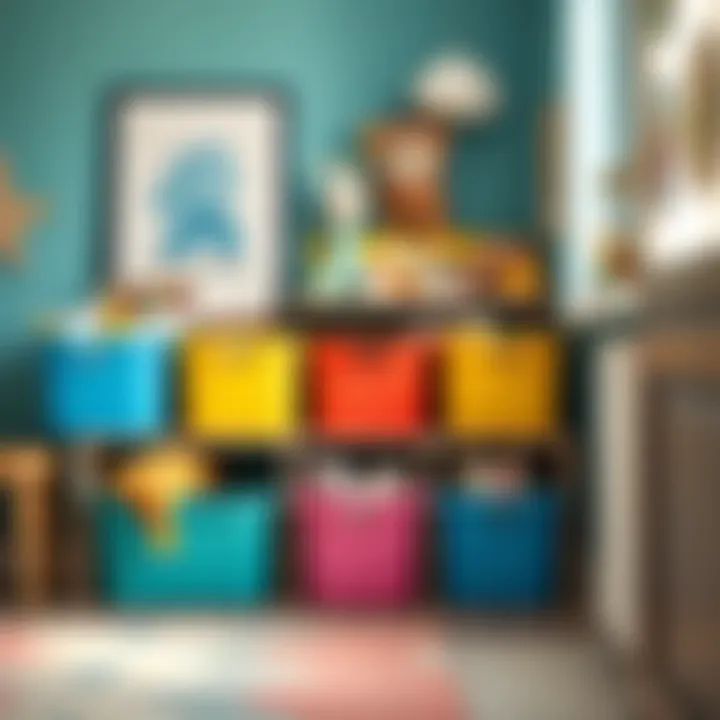
Baskets and bins are another essential storage method for children’s belongings. They bring a sense of order, helping to categorize and tidy up toys, clothes, and more. Their advantage lies in their ability to be moved around easily, allowing a room to transform as needed.
Materials and designs
When it comes to materials and designs, the options are virtually endless. From fabric bins to sturdy plastic ones, the choices cater to various aesthetics and durability needs. A key characteristic of these storage options is their diverse appearance—they can match any decor style from rustic to modern.
Funky patterns can inspire children to keep things tidy, while more neutral designs can blend seamlessly into the overall decor. One of the unique features of using various materials is allowing personalization while ensuring these storage solutions are also functional. Yet, not all materials endure heavy usage, which can be a downside.
Labeling systems
Labeling systems stand out as an efficient means to maintain organization. Each bin or basket can have a label indicating its contents. This clarity fosters a sense of responsibility in children, helping them learn to return items to their rightful place. The key characteristic of labeling is the straightforward approach it offers—kids can easily recognize where things belong.
A unique feature of a well-implemented labeling system is its ability to grow with the child. As they learn to read, they can take on more responsibility for organization. However, regular updates to the labels may be necessary as contents change.
Stackable options
Stackable options maximize vertical space, making them particularly useful for small rooms. The primary appeal lies in the compact nature that allows multiple bins to fit without taking up too much area. A stackable design ensures that every inch counts.
Their unique feature is adaptability; as the child grows, they can stack or unstack the bins depending on the current need for space. However, this approach may require children to learn how to manage height and weight, ensuring they can access items safely without toppling everything over.
Multifunctional Furniture
Multifunctional furniture pieces merge utility with stylish design, making them a popular choice in children's rooms. They easily blend storage with function, serving dual purposes.
Storage ottomans
Storage ottomans are not just comfy footrests but also ingenious storage solutions. They are beneficial because they can hold anything from toys to extra blankets, checking off both style and function. The unique feature of ottomans lies in their ability to blend seamlessly with room aesthetics while providing extraordinary utility.
Keep in mind, though, that they do have weight limitations. It’s essential to ensure that children are safely able to lift or manage items stored inside without risk of injury, which could be a downside depending on the items being stored.
Bunk beds with storage
Bunk beds designed with storage in mind are a game-changer in optimizing space in a child’s room. They not only provide sleeping arrangements but also often come with drawers or shelves incorporated into the design. This makes them an immensely practical option—especially for siblings sharing a room. The versatility of bunk beds with storage means that you essentially have multiple storage solutions melded into one.
The downside is that they generally require a larger initial investment and can be more complex to assemble. But for the lasting utility they provide, many families find the cost to be well worth it.
Tables with hidden compartments
Tables with hidden compartments can vastly enhance organization in playrooms or study areas. Their key characteristic is clever design, allowing kids a surface for drawing while keeping supplies tucked away. This unique feature simplifies maintaining tidiness without sacrificing space.
Despite their advantages, parents should consider ease of access. If compartments are too tricky to open, children may shy away from using them, which is a valid concern when aiming for full functionality.
Creating a Functional Layout
Creating a functional layout is pivotal when it comes to optimizing children's spaces for both organization and play. A thoughtfully designed layout not only fosters a sense of order but also enhances usability and encourages autonomy in children. In today's fast-paced world, having a systematic approach to organization can make a world of difference, especially for families juggling multiple responsibilities.
Assessing Available Space
Before making any decisions regarding storage solutions, it's crucial to assess the available space. Each child's room is unique, with different dimensions and layouts; thus, a one-size-fits-all approach won't work. Start by measuring the room and making a rough sketch of where furniture is already placed. Note things like windows and doors, as they can significantly affect how you arrange items.
Consider the vertical space, too. Many homes have high ceilings that can easily accommodate shelving units. Using tools like a tape measure or even an app that can scan and calculate dimensions can be beneficial. Once you have a clear picture of space, you'll be better equipped to decide how to utilize it effectively, ensuring nothing feels cramped or forced.
Zoning for Different Activities
Once you assess the space, zoning for different activities becomes essential. Think about how children use their rooms. Are they doing homework, playing, or sleeping? Creating distinct zones not only makes things more manageable but also turns the room into a multifunctional area.
For example, dedicate one corner for study materials, which could include a small desk and stationery stored in a stylish bin. The opposite side could serve as a reading nook, complete with cushions and a shelf for books. Lastly, a play area with designated storage for toys will keep clutter at bay. Mixing zones can even spark imaginative play, as children feel they can transition from one activity to another seamlessly.
Accessibility Considerations
Accessibility is a critical factor in ensuring that both parents and children can easily navigate the space. The goal is to empower children to take charge of their belongings. To achieve this, consider lowering shelves or providing bins that they can reach without assistance.


Items that children use most frequently should be at the forefront or at waist level, allowing them to put things away without hardly thinking about it. For example, if a child enjoys arts and crafts, keep those supplies within reach, perhaps in a fun, brightly colored cart on wheels for easy mobility.
Also, ensure that heavy items, or things that often fall over, are stored lower to the ground to prevent accidents. By making choices like these, you're not just organizing—you're creating an environment that teaches responsibility.
"The truly greatest gift you can give a child is the ability to organize their own space. It will not only help them now but for the future too."
Involving Children in Organization
Involving children in the organization of their own space is more than just a useful tactic; it’s an essential part of fostering essential life skills. When kids take an active role in managing their belongings, they learn about responsibility, awareness, and even self-discipline. No parent wants a cluttered space, but involving kids can turn chaos into harmony, teaching them valuable lessons along the way.
Fostering Responsibility
Responsibility and children often seem like two ships passing in the night. When they have their hands in the organizing process, it creates an opportunity for growth. Kids learn that keeping their space clean isn't merely about aesthetics—it's about respect for their belongings and the spaces they share with others.
By encouraging them to sort through their toys, books, and clothes, children start to understand the importance of knowing what they own. "Where did that toy go?" becomes a lesson in keeping track of their possessions rather than a daily headache for parents. Here are some key benefits of fostering responsibility through organization:
- Ownership: When children know where things are and how they can access them, they feel a sense of ownership, likelier to take care of their items.
- Decision-making: Sorting through toys teaches kids how to make choices. They learn the difference between what they still play with and what’s gathering dust.
- Consequences: If a child doesn’t put their bike back in the garage, they might find it wet after a rain. Such consequences can reinforce the value of taking care of their items.
The act of organizing furniture or toys can be a collaborative effort, turning it into a fun family activity. Perhaps the idea of establishing a weekly tidy-up ritual can be engaging. Simply put, when children take part in organization, they carry an invisible yet powerful anchor of responsibility with them into adulthood.
Encouraging Creativity
The act of organizing isn’t just about putting things away; it’s a canvas for creativity. Engaging children in the process can lead to imaginative solutions that parents might have never considered. Think of it like painting a picture—the kid is the artist, and the room is their canvas.
Children can think outside the box, literally and metaphorically. When it comes to storage solutions, why not let them choose colors or themes that resonate with their personalities? Allowing them to decorate storage boxes or bins can spark an interest in their space and make it feel uniquely their own.
Consider these creative approaches:
- Labeling: Kids can design their own labels for bins—and this could even become a fun learning opportunity. Practicing spelling or color coding items reinforces their engagement, while making the task aesthetically pleasing.
- Themed Zones: If a child is into dinosaurs, who’s to say that they can’t have a corner with dino-themed storage? Turning organization into a quirky adventure encourages kids to express themselves.
- Art Projects: They can help in creating storage solutions from upcycled materials. If they see their art pieces turned into a functional product, it reinforces the connection between creativity and practicality.
"How children interact with their environment shapes how they see the world. When they’re given the chance to organize, they’re building bridges between creativity and responsibility, making them active participants in their own growth."
Overall, involving children in organization isn’t simply about keeping the clutter at bay. It’s about threading responsibility through the fabric of their lives while unlocking their creative potential. This dual approach not only helps to maintain tidy spaces but also nurtures future leaders ready to take charge of their surroundings.
Storage Solutions by Age Group
When it comes to organizing children's spaces, age plays a crucial role in deciding the best storage solutions. Each stage of development comes with its own set of needs, preferences, and capacities for responsibility. Tailoring storage options not only enhances organization but also makes clean-up a breeze, fostering independence and self-management in youngsters. Here we delve into how storage solutions can effectively align with the ages of your children, addressing their unique requirements and abilities.
Toddlers and Preschoolers
For toddlers and preschoolers, the focus is on safety and accessibility. At this age, children are just starting to explore their environment, and making items easy to reach is essential. Low shelving units are a perfect choice since they allow children to access toys and books without assistance.
Consider using color-coded bins for sorting toys. This not only aids in organization but also makes clean-up a game. Labeling each bin with images can provide visual cues for non-readers, reinforcing their understanding of where things belong.
- Lightweight baskets are ideal for storing stuffed animals or blocks. Their light weight allows little ones to carry them around without risk of injury.
- Simple hooks placed at toddler height can hang costumes or bags, making them feel part of the organizing process.
Safety cannot be overlooked. Ensure all furniture is anchored to the wall and has rounded edges to prevent accidents. All things considered, these age-appropriate storage solutions not only keep environments tidy but also boost young children's confidence as they learn to take charge of their belongings.
Primary Schoolers
As children transition into primary school, their organization needs evolve. By this age, kids are learning to manage their homework and personal items. Multi-tier shelving can be a valuable asset, offering ample space for books, school supplies, and crafts. It's important that these shelves are customizable. Add or remove shelves as your child’s needs and interests grow.
Use activity zones to create designated areas for different tasks: a homework corner equipped with organizers for pens, papers, and textbooks; a craft nook with supplies readily available. Each zone should include distinctive storage solutions tailored to the activities taking place.
- Label makers can be a fun way to get kids involved in personalizing their space. Labels can motivate them to keep things filed properly.
- Consider investing in under-bed storage that can house seasonal clothing or less frequently used items, thus freeing up valuable floor space.
It’s also a good idea to create a weekly cleaning schedule. This helps instill a sense of responsibility, and having appropriate storage in place makes it easier for kids to follow through.
Preteens and Teens
The organizational maturity of preteens and teens necessitates a different approach. This age group is inherently more focused on style and individuality, making it vital to implement storage solutions that resonate with their evolving tastes.
Modular furniture offers flexibility and personalization that this age group craves. Teens might prefer a study area that reflects their aesthetics, and adjustable desks with integrated storage can satisfy both form and function.
Utilizing clear containers for items like shoes or sports gear lets them quickly spot what they need without rummaging through clutter.
- Wall-mounted organizers can hold everything from accessories to tech gadgets, ahead in design discussion.
- Encourage them to declutter periodically by utilizing trendy storage boxes that can double as décor.
"Encouraging teens to take ownership of their spaces leads to pride in organization, which can continue into adulthood."
Overall, preteens and teens require spaces that allow for both autonomy and expression. Fostering a collaborative approach to selecting storage can further encourage them to maintain an organized environment.
Through thoughtful age-specific storage solutions, we can create functional, aesthetically pleasing, and clutter-free spaces that evolve with our children.
Maintaining Organized Spaces
Keeping a child's space organized is crucial for both their mental clarity and overall functionality of the environment. When clutter builds up, it can become overwhelming, not just for the little ones but for parents too. An organized space promotes a sense of order—something that can greatly benefit a child's ability to concentrate and play.
Regular Decluttering
Regular decluttering should become a ritual as necessary as brushing teeth. It helps eliminate the bits and bobs that accumulate over time, turning a vibrant play area into a chaotic battlefield. Implementing a schedule for decluttering can aid in maintaining that organized feel. Parents can set aside a few minutes each week, or perhaps at the start of each month. Seasonal changes can be the perfect time for a full review.
One effective method involves the "Out with the Old" principle. Identify toys that haven’t been touched in a while—if they haven’t seen the light of day for more than three months, they may be ready to find a new home. You might donate them to organizations like Goodwill or local shelters. The benefits are multi-faceted: while children learn the value of donating and sharing, parents enjoy a tidier environment.
In essence, regular decluttering nurtures positive habits. It teaches persistence and the understanding that it’s okay to let go. Consider holding decluttering sessions with your children. This not only sets an example but also keeps them engaged and accountable in the process.
Seasonal Review
Much like spring cleaning for adults, a seasonal review provides an excellent opportunity to assess and refresh the organization within a child's space. As seasons change, so do children's interests and needs. This is particularly true for growing kids who unintentionally outgrow their toys, games, and clothes.
During this review, it’s prudent to sort items into categories: keep, donate, recycle, or toss. This method helps in evaluating the usefulness of each item. In contrast, items that are seasonal or special, like winter jackets or holiday decorations, may be stored separately in labeled bins for quick access when needed.
Also, involve children in this process. Understanding what they no longer play with can ignite discussions about their changing preferences. They develop a sense of agency, ensuring the space remains their own sanctuary. Your role, as a parent, is to facilitate this review and help them recognize the importance of keeping only what they truly cherish.
"An organized child is a happy child. Regular decluttering and seasonal reviews keep chaos at bay and foster a productive lifestyle."
By incorporating these maintenance practices, not only do you keep the space tidy, but you also instill valuable life lessons about organization that they can apply as they grow older.
Sustainable Storage Ideas
In the realm of organizing children's spaces, sustainability is no longer a mere buzzword; it’s essential. As parents and caregivers strive to create a clutter-free environment, the implications of their choices extend beyond mere aesthetics. Incorporating sustainable storage ideas not only benefits the planet but fosters a sense of responsibility within children as they learn to value eco-friendly practices from a young age.
These solutions often involve minimal impact on the environment, using materials that are both safe for our kids and the earth. Additionally, sustainability can be aligned with creativity and resourcefulness. Parents could find joy in teaching children the value of reusing and recycling, leading to a dynamic and engaging process of organization.
Upcycling Old Furniture
Upcycling is a transformative approach that allows old or unwanted furniture to gain a new life. Think of that solid wooden chair you no longer use; with a little imagination, it can become a charming storage unit for toys or books. The beauty of upcycling lies in its potential to be custom-fitted to the specific needs of your child’s space. You could sand it down and repaint it in vibrant hues, turning a mundane item into a centerpiece of creativity.
Here are some ideas on what can be done:
- Storage Bench: Transform an old bench into a storage unit by adding baskets beneath the seat; this can serve as a dual-purpose item where kids can sit and store their items out of sight.
- Bookshelf Redesign: Convert a simple bookshelf into a themed one—perhaps painting it to resemble a tree or a castle, making it not only functional but a delightful decor that invites engagement.
- Toy Chest: An unused trunk or chest can be revamped by adding a coat of fun paint and using stencils or stickers to personalize it, creating an inviting space for toys.
Upcycling nurtures creativity, encourages children to participate in the process, and reduces waste, making it a win-win situation for everyone.
Eco-Friendly Materials
Opting for eco-friendly materials plays a critical role in sustainable storage solutions. Picking items that are biodegradable, sustainably sourced, or made from recycled materials can greatly lessen the environmental footprint left by children’s belongings. When shopping for storage options, consider the following characteristics:
- Bamboo Storage Bins: Bamboo grows quickly, making it a renewable resource. Its durability and strength also mean these bins will stand the test of time amidst children’s playful antics.
- Recycled Plastic Containers: Instead of traditional plastic, look for containers made of recycled materials. They often come in an array of colors and styles, marrying functionality with sustainability.
- Natural Fibers: Storage baskets made from natural fibers like jute or cotton provide a soft yet sturdy option for toy storage, eliminating the harshness of synthetic materials often found in kids' products.
Making informed choices about the materials that we bring into our homes helps cultivate a safer environment for children while teaching them the importance of sustainability. Incorporating eco-friendly storage solutions sets a positive example, encouraging the next generation to continue living in harmony with the earth. In these ways, sustainable storage becomes a holistic approach to organizing children's spaces, showcasing responsibility, creativity, and environmental consciousness.
Closure
When it comes to maintaining a tidy environment in children's spaces, the importance of continuous organization cannot be overstated. As children grow and their needs evolve, so too does the requirement for effective storage solutions that can adapt to these changes. The journey of continual organization is more than just a temporary fix; it is a strategic approach that lays the foundation for developing lifelong habits of responsibility, creativity, and care for personal belongings.
The Importance of Continuous Organization
Every parent knows that children can accumulate more stuff than one can shake a stick at. Toys, books, art supplies, and sentimental items seem to multiply overnight, creating a landscape of chaos. A consistent organization strategy helps maintain a sense of calm amid this inevitable clutter. Some key points to consider include:
- Creating Routines: Establishing a routine for tidying up can instill a sense of duty in children. Allocating a short period each day for decluttering can encourage ownership of their space.
- Regular Reassessment: Kids grow, interests shift, and as such, their belongings need reevaluation. Regularly going through items ensures what’s needed stays and what’s not is either discarded or donated.
- Adapting Storage Solutions: Flexibility within storage solutions also plays a crucial role. What works for a toddler may not suit a preteen. Adapting storage as children age helps to keep spaces functional and appealing.
In sum, the crux of continuous organization lies not just in decluttering aesthetically, but in fostering a responsible approach to personal space that young ones carry into adulthood.
Encouragement for Practical Implementation
Getting started with practical organization solutions doesn't have to feel like a monumental task. Here are few tips and tricks that can smooth the path toward organized children's spaces:
- Make it Fun: Turn clean-up time into a game. Use playful music or a timer to add an element of excitement. Children won't even realize they're cleaning!
- Empower Choices: Allow children to choose their storage solutions. Whether it’s picking out vibrant bins or selecting shelving designs, their input can increase engagement.
- Educate on Benefits: Teach children why organization matters. Help them understand the benefits, like finding toys easier or having a clear workspace for homework. The goal is to create a sense of ownership and pride in their tidy space.
- Use Visual Aids: Color-coded labels or pictures can assist younger children in identifying where items belong. Visual organization can significantly enhance their organizational skills.
By integrating these strategies, the process of maintaining organized children’s spaces can transition from a daunting chore to a manageable, shared responsibility, infusing lessons of discipline and creativity along the way. Ultimately, fostering an environment where organization is part of daily life can lead to more valuable lessons than just keeping a tidy space—it's about nurturing responsible and resourceful individuals.