
The Allure of Free Standing Wall Mirrors in Home Decor

Intro
Free standing wall mirrors have become more than just tools for reflection; they serve as pivotal elements in interior design. As people seek to elevate their living spaces, these mirrors stand at the crossroads of function and style, marrying utility with artful appeal. Whether adorned in a minimalist nook or a statement piece in an opulent setting, these mirrors possess the capacity to transform perception and enhance the overall aesthetics of a room.
Homeowners often underestimate the potential of mirrors, yet they play an integral role in making rooms feel larger, brighter, and more inviting. The reflective qualities of a mirror not only add depth but also work as a canvas for various design philosophies that resonate with personal tastes and current trends.
This exploration delves into the myriad ways free standing wall mirrors influence decor, discussing emerging styles, the significance of color palettes, and offering actionable insights for maintenance and placement. By the time readers reach the end of this guide, they will possess a solid grasp of how to effectively harness mirrors as an essential design component in their homes or projects.
Furniture Design Trends
Emerging Styles
As with any evolving field, design trends surrounding free standing wall mirrors often shift, influenced by cultural nuances and the push of modern functionality. Recently, several styles have emerged that excite both interior designers and casual home decorators alike.
- Scandinavian Minimalism: This trend emphasizes clean lines and a lack of ornate detailing, providing a calm visual retreat. Mirrors in this style often showcase natural wood frames, harmonizing seamlessly with other minimalist decor.
- Industrial Aesthetic: Metal-framed mirrors have gained traction with those embracing an urban flair. The raw textures and exposed materials of this aesthetic lend character to otherwise neutral spaces.
- Eclectic Bohemian: This style can showcase mirrors in vibrant colors and intricate frames, creating a bold statement. Layering multiple mirrors can add depth and whimsy to a room, allowing for playful reflection.
Color Palettes and Patterns
The color used in mirrors can dramatically influence the mood of a space. Instead of the traditional silver or gold backing, designers increasingly explore different finishes. Here are some noteworthy ideas:
- Muted Earth Tones: Shades of sage, terracotta, or ochre are rising in popularity. These hues blend particularly well with natural light and organic materials, fostering a harmonious vibe in spaces that prioritize comfort and relaxation.
- Bold Jewel Tones: Emerald greens, sapphire blues, and deep purples can serve as eye-catching middles within more subdued rooms, becoming conversation starters.
- Patterned Frames: Decorative elements such as geometric patterns or floral motifs can introduce flair. These patterns work best when complemented with simpler decor elements to avoid overwhelming the eyes.
Free standing wall mirrors are no longer mere functional items; they're pivotal art pieces that shape the visual narrative of a space. The thoughtful selection of styles and colors can truly elevate the ambiance, inviting a reflection of not just one’s image but their personal style as well.
For further reading on design trends, consider exploring resources such as britannica.com or the latest articles on reddit.com.
In the next sections, we will delve deeper into customization and DIY projects that can provide even more personal touches to these functional pieces.
Prolusion to Free Standing Wall Mirrors
The topic of free standing wall mirrors occupies a unique niche in the realm of interior design. These mirrors are not just functional pieces for checking one’s appearance; they carry significant aesthetic appeal that can transform a space entirely. Understanding the role of these mirrors can help homeowners, designers, and DIY enthusiasts make informed choices when it comes to home décor.
Free standing wall mirrors offer an elegant solution to maximize light, create depth, and add a touch of style to any room. They’re versatile in nature, fitting seamlessly into both contemporary and traditional settings.
When considering the purchase of a free standing wall mirror, it’s important to keep several elements in mind:
- Size: A well-sized mirror can enhance space perception and even make a small room feel larger.
- Style: From minimalist frames to ornate designs, the choice of style can complement or contrast with existing décor, adding character to the environment.
- Placement: Where you place the mirror can impact natural light flow and the overall vibe of the room.
The significance of free standing wall mirrors goes beyond surface-level beauty. When implemented thoughtfully, they can enhance the functionality of a room. They serve practical purposes, such as providing an essential spot for dressing while also acting as a decorative focal point. Think of them as versatile tools that can adjust the dynamics of a space.
As the journey unfolds through this article, readers will gain insight into various aspects of free standing wall mirrors. They will learn about the diverse design varieties available – including contemporary, traditional, minimalist, and industrial options. The discussion will delve into their role in enhancing interior aesthetics, functional benefits, and placement techniques.
As we explore the intricate details surrounding free standing wall mirrors, you'll gain an appreciation for how these pieces blend both beauty and usability. Ending with practical tips on maintenance, this article aims to provide you with all the information necessary to leverage these mirrors to their fullest potential in your personal or professional space.
"A mirror is a reflection of what you see, but with the right placement, it's a gateway to transforming spaces."
Design Varieties
When it comes to free standing wall mirrors, the design varieties available can significantly shape the ambiance of a room. These mirrors are not just reflective surfaces; they serve as pivotal elements that can enhance aesthetic appeal and functionality of a space. A thoughtful blend of styles accommodates different tastes, making it easy for anyone—from interior designers to homeowners—to find something that resonates with their vision.
Contemporary Designs
Contemporary designs often steer clear of the frills seen in traditional styles, opting instead for clean lines and innovative materials. These mirrors feature sleek, minimalist frames or no frames at all, allowing for an effortless integration into modern settings. An example is a frameless mirror that appears to float against the wall, which can create an illusion of expanded space.
Key elements of contemporary design include:
- Geometric shapes: Rectangles and circles dominate, often reflecting a structured yet playful aesthetic.
- Bold colors and materials: Use of metals or unique colored glass pushes boundaries, captivating the eye.
- Functionality and form: Mirrors may come with built-in LED lights that not only enhance the look but also provide practical lighting.
These modern pieces often appeal to those with a penchant for sleek, stylish decor.
Traditional Styles
In contrast, traditional styles exude warmth and a sense of timelessness. Often adorned with intricate carvings or rich wood grains, these mirrors harken back to eras gone by. A beautifully framed antique mirror can serve as a statement piece in a classic home. Choosing a traditional style can evoke nostalgia and add character to a space.
Some features to consider:
- Ornate frames: Detailed wood or metalwork is common, creating a lush aesthetic.
- Baroque and Victorian influences: Classic design elements that remind us of grand historic interiors.
- Size variations: They come in various dimensions, from large over-dresser options that dominate a wall to smaller variants enhancing intimate spaces.
If a home radiates family history and cherishes craftsmanship, traditional mirrors can amplify that narrative.
Minimalist Approaches
Minimalism has crafted a niche in interior design where 'less is more' rings true. Free standing mirrors designed in this manner showcase simplicity and functionality, enhancing decor without overwhelming it. These designs often feature muted colors and modest sizes, promoting an uncluttered visual experience.
Highlighting elements of minimalism includes:
- Neutral palettes: Whites, blacks, and grays dominate, aligning with the overall tranquil aesthetic.
- Simplicity in shape: Often rectangular or square, these mirrors focus on utility without sacrificing style.
- Subtle framing: If frames are present, they tend to be made of unembellished, natural materials that complement the space.
This approach appeals to those seeking refuge from visual chaos, making it ideal for smaller rooms or serene spaces.
Industrial Inspirations
Last but not least, industrial inspirations take cues from urban environments and the raw elegance of factory aesthetics. Free standing mirrors in this style often feature materials like metal and distressed wood, contributing to a rugged charm. These designs can complement loft-style homes or spaces with an edgy, urban flair.
Noteworthy traits include:
- Rustic textures: Rough finishes and vintage patinas lend character and authenticity.
- Metal frames: Utilizing steel or iron frames can introduce a sense of strength and permanence to the decor.
- Functional art: These mirrors often double as artistic displays, combining visual interest with practical usage.
For those who appreciate the charm of vintage and urban style, industrial mirrors can harmonize beautifully with the surrounding furnishings.
Each design variety discussed plays a significant role in decorating and functional needs. Understanding the nuances can help shape one's space effectively, providing both beauty and utility.
The Role of Mirrors in Interior Design

Mirrors are not merely functional items; they are crucial in shaping the atmosphere of a room. Their unique ability to reflect light and create an illusion of space makes them a favorite among interior designers and homeowners alike. The placement and design of a mirror can dramatically alter the look and feel of any environment. It can brighten a dark corner or expand a narrow hallway, lending a sense of openness and depth that might otherwise be lacking.
One of the core benefits of mirrors lies in their capacity to enhance other design elements. A free standing wall mirror, for example, does not just sit idly in a corner. Instead, it interacts with the surrounding elements, such as furniture, color schemes, and lighting, amplifying their effects. When integrating mirrors into a design scheme, one must consider the mirror’s relationship with its environment, ensuring it complements rather than clashes with existing decor.
"A well-placed mirror can be a designer's best friend, turning the mediocre into the magnificent."
Creating Depth and Space
To create the illusion of depth, mirrors are often positioned directly across from windows or sources of natural light. This not only allows the mirror to bounce light around but also provides a view that opens up the space visually. For instance, a large, free standing mirror can act as a portal, making a narrow room appear less cramped. The effect is almost like a visual trick that draws the eye around the space rather than allowing it to settle on the walls. When layering furniture and decor, a strategically placed mirror can serve to guide one’s gaze through a room, leading to a more inviting atmosphere.
Enhancing Light Reflection
A well-placed mirror can significantly amplify natural and artificial lighting in an interior space. When light hits the surface of a mirror, it bounces back and can brighten even the dimmest of rooms. This is particularly useful in small apartments or spaces that rely on limited windows for illumination. Furthermore, using mirrors to reflect light sources—like table lamps or overhead fixtures—can create a richer, more dynamic lighting scheme. Imagine a room where a stylish mirror reflects candlelight, generating an ambiance that is warm and cozy, enhancing the aesthetic appeal without additional lighting costs.
Adding Focal Points
Mirrors can act as captivating focal points in interior design. A free standing wall mirror with an intricate design or unique frame can serve as an eye-catching centerpiece while still being functional. This dual purpose allows it to draw attention while seamlessly integrating into the overall room design. Deftly using mirrors in this way can highlight a feature wall, artwork, or intriguing architectural details. Whether opting for a vintage look or a modern statement piece, the right mirror can elevate the room's charm, making it a talking point for guests and a pleasure for inhabitants.
Functional Benefits of Free Standing Mirrors
When it comes to home decor, free standing mirrors are more than just shiny surfaces; they hold a variety of functional benefits that can significantly impact daily life. They serve as practical tools for self-reflection and can enhance the overall aesthetic of a space. Their versatility in application makes them an essential item for homeowners and interior designers alike.
Practical Uses in Daily Life
In our everyday routines, having a full-length mirror is invaluable. The practical uses of free standing mirrors extend beyond merely checking one's outfit. These mirrors often become focal points in bedrooms, dressing rooms, or entryways. When standing at a distance, a homeowner reveals their complete silhouette, aiding in choosing the right attire for the day. This type of functionality allows individuals to make informed decisions about their appearance quickly.
Additionally, free standing mirrors can be instrumental in beauty routines. People can examine their makeup application or hairstyling from various angles, ensuring an impeccable look. Whether you are adjusting a tie or straightening your hair, a mirror is always nearby, ready to assist.
Versatility in Placement
One of the best things about free standing mirrors is their placement flexibility. Unlike wall-mounted mirrors, these can be easily moved and positioned to suit changing tastes and needs. You can lean them against a wall in a cozy nook, position them to catch the morning light, or place them in corners that might otherwise go unnoticed.
Here are a few ideas for placement:
- Aligning with a Window: Positioning a mirror opposite a window can maximize natural light, illuminating any space during the day.
- Enhancing Traffic Flow: Placing mirrors in high-traffic areas, like hallways or living rooms, invites people to see themselves and can even make spaces feel more open and accessible.
- Creating Zones: In open floor plans, mirrors can help define areas without using walls. They visually separate spaces, enhancing the flow of your design without cutting off light.
Space Utilization Strategies
Space is often at a premium, especially in urban housing where every square foot counts. Free standing mirrors provide an opportunity to maximize space utilization in various creative ways.
- Creating Illusions of Space: Mirrors can make smaller environments appear larger. Placing a large, full-length mirror in a petite room can trick the eye and provide a sense of openness. This visual expansion is a favored trick among interior designers.
- Filling Empty Walls: When faced with bare walls, free standing mirrors can serve as decor while also gaining functional benefits. Instead of letting an empty wall sit dull, add a mirror to bring light and personality to the space.
- Multi-Functional Displays: Some mirrors come with shelving or storage capacities. This hybrid functionality turns mirrors into practical elements in rooms, providing places for decorative items or functional storage.
Choosing the Right Size and Style
When it comes to selecting free standing wall mirrors, understanding the right size and style can greatly influence both functionality and visual appeal in your living space. A mirror is not just a reflective surface; it serves as an integral element in your interior design. Choosing the appropriate size and style ensures that it complements your space, enhances its aesthetic value, and fulfills its purpose effectively.
Proportions and Scale
The proportion of a mirror in relation to the room is crucial. An oversized mirror in a small room can create a feeling of disorientation, while a tiny mirror in a spacious area may seem insignificant, almost getting lost amidst the decor. To strike a balance, consider the following tips:
- Room Size: A large mirror can fill an empty wall and make a statement, but it should not overwhelm the surroundings. For snug rooms, opt for smaller mirrors that offer a touch of elegance without cluttering.
- Furniture Height: Aligning mirrors with the height of furniture can create harmony. For instance, a tall mirror positioned beside a low sofa can shift the viewer’s eye and add interest.
- Visual Anchoring: Ensure that the mirror serves as a focal point rather than a distractor. Placing a large mirror above a mantel or console table can ground the design and add depth to the overall presentation.
To visualize how proportions influence a room, imagine a few scenarios:
- In a modern studio, a floor-to-ceiling mirror can not only maximize the sense of space but also reflect natural light, enhancing the airy feel.
- In a traditional setting, a medium-sized ornate mirror could adorn a vintage dresser, blending functionality with age-old charm.
Finding the sweet spot in size requires some trial and error, but it is time well spent when your mirror seamlessly integrates into your environment.
Framing Options
The frame of a mirror can transform its overall vibe. It’s like wearing a suit versus a casual outfit; different styles can convey varied messages. Here are some framing options to consider:
- Wooden Frames: Classic and versatile, wooden frames can add warmth to a space. A rustic wood frame works wonders in a country-style home, while a sleek wooden frame might suit modern aesthetics.
- Metal Frames: For a more contemporary look, metal frames in black or gold bring a touch of elegance. These can serve as accent pieces in industrial or minimalist settings.
- Ornate Frames: If you’re aiming for a vintage or antique appeal, ornate frames with intricate carvings can become an artwork on their own, demanding attention.
Moreover, think about finishes. A distressed finish might fit a shabby-chic design, while a polished frame suits modern luxury.
"The frame isn't just about holding glass; it can elevate a mirror from ordinary to extraordinary."
Ultimately, the style and size of the mirror should reflect not only the aesthetics of the space but also your personal taste. Remember, the goal is not just functionality but also to create a welcoming, cohesive environment that resonates with who you are.
Placement Techniques
Understanding the art of placement when it comes to free standing wall mirrors is like piecing together a captivating puzzle in interior design. It influences not only the overall aesthetics of a space but also the practical functionality these mirrors bring to the table. A well-placed mirror can instantly uplift a room’s ambiance, while improper positioning might leave a space feeling awkward and uninviting. For homeowners and designers alike, mastering these techniques can make all the difference in incorporating mirrors effectively.
Wall Settings
Choosing the right wall setting is fundamental for maximizing the impact of a free standing mirror. A mirror can serve as a statement piece—drawing the eye and anchoring a space. When positioning a mirror against a wall, it’s essential to consider the surrounding decor. Often, a focal point is created when a mirror reflects artwork, unique furniture, or natural light coming from a window.
Placing a mirror at eye level is a general rule, allowing users to see their reflection effortlessly. However, beyond this standard guideline, consider the wall colors and textures. For instance, a minimalist mirror could starkly contrast a heavily patterned wallpaper, while an ornate frame might beautifully complement a rustic wood wall.
"A good placement technique considers both aesthetics and function, creating harmony in design."
- Light Reflection: When positioned strategically, mirrors enhance light reflection, making spaces feel larger and brighter.
- Balance: Ensure that mirrors do not overpower their surroundings; they should coexist with other decor elements harmoniously.
Standalone Arrangements
Standalone arrangements allow for a creative, dynamic approach to mirror placement. Here, the mirror is not confined to a wall but instead stands freely, becoming a sculptural element in the room. This approach provides flexibility in design.
A standalone mirror can serve dual purposes—what might be less a mirror in a traditional sense becomes an artistic installation. These mirrors are typically used in dressing areas, living rooms, or even bathrooms.
- Accessibility: Sturdiness is essential; a wobbly or unstable mirror can pose safety concerns.
- Adjacency: Place the mirror near areas where it will serve its purpose, be it a closet or a stylish corner where one might pause and admire an outfit.
Corner Displays
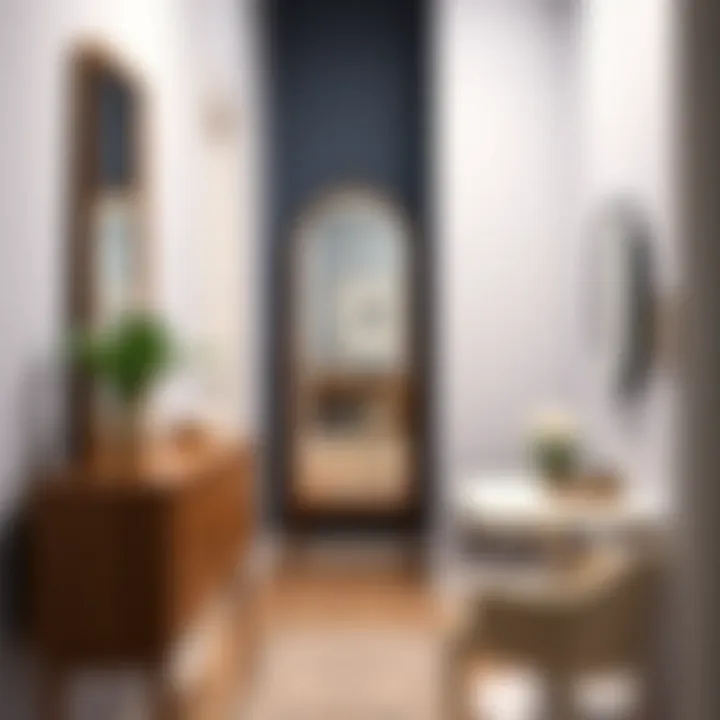
Utilizing a corner for a mirror might not initially seem intuitive, but it can create an eye-catching display while optimizing space usage. Placing a free standing mirror in a corner offers a unique perspective and can often make a room feel more open.
- Layering: By letting the mirror overlap slightly with the wall, you can create depth and dimension. It allows you to play with angles, encouraging reflections from multiple viewpoints.
- Enhancing Space: Corner displays can draw attention away from less desirable walls or areas, steering focus towards the more beautifully designed aspects of a room.
Maintenance Tips for Longevity
Taking care of free standing wall mirrors is not just about keeping them shiny; it's about ensuring they last and maintain their beauty over time. Mirrors, if neglected, can show scratches, smudges, and even damage from improper placement or cleaning methods. Regular maintenance enhances the overall aesthetic of your space while also extending the lifespan of your investment.
A well-maintained mirror reflects not only your image but also your style and care for your living environment. This section will cover key cleaning techniques and how to avoid damage, giving you the tools to keep your mirrors looking pristine.
Cleaning Techniques
Clean mirrors can dramatically improve the atmosphere of a room. Dust, fingerprints, and streaks can dull the shine and clarity of the reflective surface. Here are some effective cleaning techniques to ensure your mirror stays spotless and shiny:
- Use a microfiber cloth: This type of cloth is great at trapping dust without scratching the glass. It's soft enough to clean the surface without causing damage.
- Create a cleaning solution: A mixture of one part vinegar and one part water works wonders! Spray it on the mirror and wipe it off with a microfiber cloth for a streak-free shine.
- Dry properly: After cleaning, always make sure to dry the mirror thoroughly. A damp cloth can leave streaks, which defeats the purpose of cleaning it in the first place.
- Regular intervals: Depending on the placement of your mirror, set a cleaning schedule. If it’s in a high-traffic area, a quick wipe-down every week might do the trick, while mirrors in less-used spaces could be cleaned once a month.
These techniques are straightforward and take very little time, but the results can significantly elevate your room's charm.
Avoiding Damage
Mirrors are delicate. To keep them in their best shape, there are a few considerations to keep in mind:
- Avoid harsh chemicals: Steering clear of abrasive cleaners is crucial. Chemicals like ammonia may cause discoloration or fogging, which are difficult to remedy.
- Placement matters: Avoid placing your mirror in high-heat areas, such as near radiators or in direct sunlight. Excess heat can warp the frame or damage the glass over time.
- Secure positioning: Make sure your mirror is stable and won’t tip over easily. This is particularly important for larger, heavier mirrors that could cause injury or damage if they fall.
- Prevent scratches: Be cautious when moving or cleaning near the mirror. Keep sharp objects or cleaning tools away from the surface, as these can easily scratch the glass.
"A little care goes a long way; treat your mirrors as an essential part of your home decor, and they will repay you with their beauty for years."
By implementing these maintenance tips, you can keep your free standing wall mirrors in tip-top shape. Not only does this maintain their aesthetic appeal, but it also allows you to fully enjoy their functional benefits without the worry of deterioration.
Psychological Effects of Mirrors
The impact that mirrors exert on our mental and emotional well-being is often an underexplored topic when it comes to interior design. In essence, mirrors are more than just functional tools for checking appearances; they can significantly affect our mood and perception of our living spaces. The dual nature of mirrors—functionally useful and aesthetically pleasing—positions them uniquely within interior design. They serve as portals into another world, offering reflections that may influence how we feel about ourselves and the environment around us.
Influencing Mood
When strategically placed, mirrors not only enhance the aesthetic value of a room but also exercise a potent influence on a person's mood. This dynamic can be attributed to the lighting effects mirrors generate and their ability to create optical illusions. Brighter spaces typically evoke more positive feelings, and mirrors can amplify natural light from windows or artificial lighting.
- Natural Light Boost: Consider a living room with large windows spilling sunshine into the space. A well-placed mirror can capture and reflect that light, saturating the room with warmth and brightness. This uplift can be a mood-changer, especially during those dreary, overcast days when the urge to sink into the sofa is strong.
- Symmetry and Balance: Mirror arrangements that promote symmetry tend to create a sense of balance. In psychological terms, this balance correlates to a feeling of calmness and stability.
- Personal Reflection: Sometimes, the act of seeing oneself can provide a positive affirmation or boost in self-esteem. Mirrors can serve as daily reminders of one's appearance and self-worth, positively influencing one’s mood.
This connection between a well-placed mirror and an uplifted mood is noteworthy. Thus, in the context of designing spaces, it makes sense to prioritize mirrors as essential elements that can enhance emotional well-being.
Perception of Space
Mirrors hold a transformative power when it comes to spatial perception. A small room can feel expansive with the addition of a carefully positioned mirror, which tricks the eye into seeing a larger area. This effect is especially beneficial in urban living spaces where square footage is usually limited.
- Creating Illusions: The psychological principle at play here is known as the "trompe-l'oeil"—a French phrase meaning "deceive the eye." Mirrors have the ability to create the illusion of depth, making even the tightest spaces feel more open. This is why they are often found in entryways, foyers, or narrow hallways.
- Flow and Continuity: Mirrors can help guide the eye through a room, creating a seamless visual experience. This becomes particularly useful in open-plan designs, where it’s vital to maintain a flow between different areas while avoiding visual disarray.
- Enhancing Design Features: When reflecting carefully curated elements—like art pieces or unique furniture—mirrors further accentuate the beauty of these things, giving the space a layered depth.
Incorporating mirrors not only cleverly manipulates the perceived dimensions of a room but also fosters an improved sense of navigation within it. Given the importance of how we perceive our environments and the psychological effects that can follow, mirrors should be considered a cornerstone element in interior design.
Mirrors do not reflect only your appearance; they also reflect your state of mind and emotional landscape.
In summary, understanding the psychological effects of mirrors can inform more than just aesthetic choices. It allows interior designers, homeowners, and DIY enthusiasts to create spaces that not only look good but also feel psychologically rewarding.
Cultural Significance of Mirrors
Mirrors have held a curious place in human civilization, serving not only practical purposes but also profound cultural meanings. As we explore the cultural significance of mirrors, it's essential to recognize how these reflective surfaces transcend mere functionality. In various societies, mirrors act as symbols of representation, self-awareness, and even morality. They create a lens through which we view both our physical appearance and the complex tapestry of identities we navigate.
Historical Perspectives
Historically, mirrors have been tied closely to the evolution of art and consciousness. Dating back to ancient civilizations, such as the Egyptians, polished copper and bronze were the primary materials for mirrors. These early versions were not just tools for reflection; they represented glamour and status. The wealthier classes would often possess a mirror, a tangible token of their social standing.
Moreover, during the Renaissance, mirrors gained new significance as reflections in art and philosophy began to emerge. Artists like Jan van Eyck utilized mirrors in their paintings to deepen the narrative layers, making viewers contemplate illusions and reality. This interplay of light and reflection mirrored society’s aspirations towards beauty and knowledge—a philosophical reflection, if you will.
- Mirrors of the Past:
- Ancient Egypt: Polished metals created simple but revered mirrors.
- Renaissance Era: Mirrors became crucial in painting and philosophical discussions.
As technology advanced, the creation of glass mirrors in the 16th century opened gateways for more elaborate designs and wider accessibility. In a way, mirrors became a democratizing force; they started appearing in homes, shattering the previously exclusive associations with the elite. The proliferation of mirrors across different contexts highlights their versatility—not just as objects to see oneself, but as vessels of culture and identity.
Mirrors in Different Cultures
In examining mirrors across various cultures, we unveil distinct meanings and traditions. For instance, in Japanese culture, mirrors are integral to Shinto beliefs, symbolizing truth and purity. Shinto shrines often feature a mirror as a sacred object, embodying the inner self and spiritual clarity. This cultural lens offers a moral lesson: clarity in reflection is necessary to walk the path of truth.
Similarly, in Chinese culture, mirrors have long been believed to ward off evil spirits. Traditionally, mirrors are often placed strategically within homes to reflect malevolent energies away, showcasing how the tool extends beyond personal reflection to communal safety.
- Diverse Cultural Practices:
- Japanese Shinto: Mirrors symbolize purity and truth.
- Chinese Traditions: They serve as protective wards against negativity.
Even Western literature adds depth to the cultural significance of mirrors. In stories and folklore, mirrors can reveal hidden truths or alternate realities. Lewis Carroll's "Through the Looking-Glass" exemplifies this theme, as it invites readers to ponder self-recognition and transformation, emphasizing the role of the mirror in navigating the boundaries of reality and fantasy.
"The furniture of our souls, mirrors hold a deeper significance than mere reflections. They offer glimpses into our past while shaping our perceptions of the present and future."
In summary, the cultural significance of mirrors is woven into the very fabric of societal norms and beliefs. They reflect not only our physical forms but also the history, values, and complexities that define us as individuals and communities.
Sustainability Considerations
As we delve into the world of free standing wall mirrors, it's crucial to recognize the significance of sustainability in their design and creation. In today’s eco-conscious society, sustainability is no longer a buzzword—it’s an expectation. Consumers are increasingly discerning about the materials and processes used in the products they bring into their homes. Therefore, understanding the sustainability considerations related to free standing mirrors not only benefits the environment but also adds value to the mirrors themselves in various contexts, from aesthetic appeal to functional durability.
Materials Used
When discussing mirrors, one must consider what lies beneath the reflective surface. Numerous materials contribute to the production of mirrors, and their impact on the environment varies significantly. Traditional mirrors are usually made using glass that is coated with a thin layer of silver or aluminum. While glass has a long lifespan, its production is energy-intensive. Furthermore, the mining of silver entails environmental degradation unless sourced responsibly.
Conversely, modern alternatives such as acrylic or polycarbonate mirrors are becoming increasingly popular. These materials are lighter and less fragile, which reduces the risk of breakage during shipping and installation. Additionally, they can incorporate recycled materials into their composition, which aligns with sustainable practices.
- Glass: Long-lasting but energy-intensive to produce.
- Acrylic: Lightweight, often made from recycled materials, but may not last as long.
- Polycarbonate: Strong and shatter-resistant, often seen as an eco-friendly option.
These choices reflect a growing trend in the mirror market where manufacturers are more concerned about the environmental footprint of their products.
Eco-friendly Options
As the industry evolves, so do the available eco-friendly options for consumers. One noteworthy trend is the rise of sustainable manufacturing processes, which take into account energy use, waste production, and resource sourcing. For example, some brands have committed to using all natural adhesives and paints in their frames, drastically reducing the amount of volatile organic compounds typically emitted during production.
Moreover, it's becoming common for consumers to find mirrors constructed from reclaimed wood or upcycled metals. Here, the circular economy principle shines—old materials repurposed into beautiful pieces that tell a story while minimizing waste. Opting for mirrors that utilize non-toxic finishes also promotes healthier indoor air quality, reflecting a balance of functionality and care for our environment.
- Reclaimed wood frames: Sustainably sourced and aesthetically unique.
- Bamboo: A fast-growing, renewable material that’s becoming increasingly popular.
- Non-toxic coatings: Safer for the home environment, decreasing harmful emissions.
Ultimately, selecting eco-friendly mirrors signifies a conscientious choice for both personal style and environmental responsibility. The increasing intersection of design and sustainability suggests that choosing the right mirror is not only about enhancing space but also about aligning one's values with everyday choices.
"Sustainability in design is not just about choosing the right materials; it’s about crafting a legacy of care for the planet with every reflection."
Shopping Guide for Free Standing Mirrors
Finding the right free standing mirror for your space involves more than just a casual choice. It’s a blend of aesthetics, functionality, and personal needs. This section scrutinizes the critical elements that come into play when purchasing a mirror that is not just a reflective tool but also a statement piece in home decor.
Mirrors have an undeniable ability to transform a space. The proper placement can make rooms feel larger and more open, whilst contributing to a particular aesthetic. Therefore, having guidelines in mind when shopping can make all the difference. It’s not merely an investment in a product but rather a key addition to the character of your home.
Where to Buy
When it comes to purchasing a free standing wall mirror, several avenues exist, each with its pros and cons. Here’s a breakdown of where you might look:
- Online Retailers: Websites like Wayfair and Amazon offer a vast assortment of styles and prices, allowing for easy comparison from the comfort of your home.
- Brick-and-Mortar Stores: Visiting local furniture and home decor stores can be beneficial to see mirrors up close, allowing you to assess quality and style in person.
- Antique Shops: If you are searching for unique pieces that carry a story, browsing at vintage shops can result in delightful finds that aren’t easily replicable.
- Art Galleries or Craft Fairs: Sometimes mirrors made by local artisans can nail that personal touch and add character that you won't find in mass-produced items.
- Second-hand Shops or Thrift Stores: It can be a treasure hunt to find a gem at a fraction of the cost, perfect for those seeking eclectic decor or budget-friendly options.
"When buying a mirror, it's crucial to consider the environment in which it will live, ensuring it aligns with both aesthetic and functional goals."
Price Ranges and Quality
Understanding what you are willing to spend on a free standing mirror is essential. Prices vary widely based on factors including size, material, and brand. Here’s what to keep in mind:
- Budget Options: There are plenty of mirrors available for under $100. These typically come from big-box stores and are made from economical materials. They tend to be functional and stylish, great for casual settings.
- Mid-Range Quality: Priced between $100 to $400, you can expect much better craftsmanship. Mirrors in this range often come with sturdy frames and better quality glass, ensuring longevity in both use and style.
- High-End Choices: Spending over $400 opens the door to bespoke pieces, designer brands, or mirrors made from exceptional materials. This can include vintage reclaimed wood frames or mirrors designed with intricate detail, creating more than just a functional object but an art piece for your space.
When considering quality, look for aspects such as the thickness of the glass, the sturdiness of the frame, and the reflection clarity. These factors contribute significantly to the mirror’s overall utility and longevity.
In summary, the shopping journey for free standing wall mirrors should be approached thoughtfully. From where to buy to understanding the price ranges and quality levels, each aspect plays a role in making the perfect selection for your space.
Innovative Trends in Mirror Design
As home decor evolves, so too do the elements that define it. Free standing wall mirrors are no exception. Today, these mirrors are stepping up from mere reflective surfaces to veritable statement pieces that marry function and flair. This section dips into the swirling pool of innovative trends in mirror design, which, let’s face it, are changing the way we think about these everyday items.
Smart Mirrors
When talking about smart mirrors, we're not just discussing their reflective capabilities anymore. These gadgets are integrated with advanced technology that can enhance our daily routines. Imagine a mirror that displays the weather, your calendar, or even your favorite news updates while you’re getting ready in the morning. Companies like Philips and HiMirror have been rolling out mirrors that do just that, complete with touch-screen interfaces and voice control options.
This trend caters to the tech-savvy homeowner who wants innovation in their space. Besides alerting you about the day ahead, smart mirrors also offer skincare analysis, helping you tailor your beauty routines. So, in a sense, when you look into one of these mirrors, you’re seeing not just your reflection, but a wealth of information at your fingertips. Moreover, they’re generally styled sleekly, fitting well into modern or minimalist interiors.
"Smart mirrors are not just functional but transform the way we interact with our daily surroundings."
While incorporating a smart mirror could seem extravagant, their multifunctionality often justifies the investment. They serve a purpose beyond reflection, blending seamlessly performance and aesthetic value.
Artistic Styles
On the flip side of the technical illustrations lie the artistic styles that free standing mirrors currently boast. These mirrors come in a variety of forms that appeal to those who appreciate artistry in their home decor. Designers are pushing boundaries by using unconventional materials like wood, metal, and even fabric.
- Sculptural Mirrors
These designs take on three-dimensional shapes that challenge the typical flatness of a mirror. They can be hung on walls or placed on the floor as a statement piece. - Nature-Inspired Designs
Mirrors shaped like leaves, branches, or even animal forms can bring an organic element to any room. They resonate particularly well in spaces aiming for a more relaxed or bohemian vibe. - Multi-Functional Art
Some mirrors double as functional art pieces; for instance, mirrors can include shelving or hooks seamlessly integrated into their designs. This approach has gained traction among minimalists, providing beauty as well as utility.
Artistic mirrors evoke emotions and can be central to a room's overall thematic elements. Via these designs, the humble mirror becomes an art installation rather than just a reflective surface, making it a talking point within any space.
To sum it all up, whether one leans towards the advanced technology of smart mirrors or the captivating charm of artistic styles, it’s clear that the landscape of designs is changing. Interiors are becoming more dynamic spaces where mirrors aren’t just tools for reflection but are also expressions of individual style and creativity.
DIY Projects with Mirrors
Embarking on DIY projects involving mirrors not only enhances a home’s aesthetic but also empowers individuals to tap into their creativity. DIY permits one to tailor projects to personal taste and requirements while reaping benefits from both functional and artistic perspectives. Mirrors can transform a dull space into a stunning focal point or an inviting area full of personality. In the realm of home decor, few items can make such a pronounced impact.
- Cost-Effective Enhancement: One of the most appealing aspects of DIY mirror projects is the potential for cost savings. With a bit of ingenuity, old or inexpensive materials can morph into striking decor elements, saving money while achieving high-end looks.
- Personal Touch: Engaging in DIY crafting allows homeowners to reflect their style. Custom designs can be crafted to fit specific rooms, ensuring that the result is unique and tailored rather than off-the-shelf. This not only fosters a sense of ownership but also a deeper connection to the living space.
- Skill Development: These projects help to cultivate new skills. From measuring accurately to mastering the art of cutting and framing, working with mirrors provides valuable hands-on experience—not to mention the satisfaction of creating something functional.
When it comes to popular DIY projects, two approaches stand out: custom framing ideas and creative display options.
Custom Framing Ideas
Mirrors are often appreciated for their reflective capabilities, but the frame deserves an equally pivotal consideration. A well-chosen frame can elevate the mirror from a simple object to a stunning work of art.
- Repurposing Old Frames: One engaging project could involve hunting down vintage frames from thrift shops or flea markets. With some paint or wood stain, these frames can be revitalized, becoming beautiful surrounds for existing mirrors or even as frames for interesting mirror designs made from reflective materials.
- Texture and Material Variety: Consider using different materials like reclaimed wood or metallic trims to create contrasting textures. Combining wood and metal, for example, provides an industrial yet warm appeal, merging aesthetics with functional needs in a delightful manner.
- Thematic Frames: Building frames according to themes in your home can tie decor together. Beach-themed decor might use frames made from driftwood, while an elegant, modern room could be fitted with sleek, metallic frames.
A touch of paint, embellishments, and grain patterns can help to personalize frames while showcasing individual taste.
Creative Display Options
The way mirrors are displayed can be just as important as the mirrors themselves. Creative arrangements can bring a level of sophistication and style that elevates any room’s design.
- Gallery Walls: Utilizing a cluster of mirrors in various sizes and shapes can create a stunning gallery wall. This not only gives depth to the area but can reflect light in multiple directions, making spaces feel even larger.
- Floor Displays: Leaning a tall, full-length mirror against a wall can produce a casual yet stylish touch. Consider placing it alongside other decorative elements, such as plants or sculptures, for visual interest.
- Layered Presentation: Layering mirrors over other wall art can create a feeling of space and depth. This technique adds intrigue, encouraging viewers to explore the wall and discover its many layers.
Ultimately, exploring DIY projects with mirrors brings functionality and beauty into a home while allowing for ample self-expression. With thoughtful choices, one can create inviting, elegant environments that reflect personal taste and style. For further inspiration, look into resources like Pinterest for myriad DIY projects or Instructables for step-by-step guides.
End
In wrapping up, it’s clear that free standing wall mirrors play a vital role in enhancing both the aesthetic and functional qualities of interior spaces. Not just mere reflections, these mirrors serve as portals to creativity and practicality in home design.
One significant point is how they contribute to the overall visual appeal of a room. A well-placed mirror can open up tight spaces, making even the tiniest rooms feel breezy and expansive. It’s like giving a small area a shout-out that draws the eye and influences the mood of the room.
Moreover, their versatility stands out, especially in various settings. Whether a homeowner wishes to showcase a minimalist design or a vibrant bohemian style, there's a free standing wall mirror to fit the bill. The design is not limited to just a single aesthetic— rather it perfectly bridges gaps between contrasting styles.
Key Considerations:
- Placement matters greatly; mirrors should be positioned to capture and reflect light, ensuring that spaces not only feel bigger but brighter.
- Maintenance is another crucial aspect; keeping these mirrors clean and functional maximizes their beauty and lifespan.
- Psychological benefits should not be overlooked. The right mirror can positively influence the mood of those inhabiting a space, subtly encouraging confidence and cheer.
Ultimately, as we've explored throughout this article, free standing wall mirrors bring more to the table than anyone might first assume. They harmonize beauty with utility and stand as testaments to thoughtful design. By being mindful of the selection and placement, designers and homeowners alike can transform ordinary rooms into extraordinary spaces. Mirrors, in their unique ways, reflect more than just images—they reflect a deeper understanding of interior design and personal expression.