
Guide to Choosing and Using Garden Sun Umbrellas


Intro
When thinking about transforming your garden into a delightful oasis, sun umbrellas often float to the top of the list. These versatile structures are not just about providing shade; they also serve as a statement piece, enhancing the aesthetic appeal of your outdoor space. Understanding the multifarious world of sun umbrellas can seem overwhelming at first, but it's worth the effort. In this guide, we’ll unravel the complexities of choosing the right sun umbrella—from diverse styles and materials to practical installation and maintenance tips. Whether you're an experienced designer or a homeowner looking to improve your backyard, this article covers all the bases.
Furniture Design Trends
In the realm of outdoor decor, furniture design trends closely influence the selection and style of sun umbrellas. As styles change, so do the options for shade solutions. Let's delve into what's trending right now.
Emerging Styles
Today’s sun umbrellas are more than just functional; they embody artistry and innovation. There’s a growing preference for cantilever umbrellas, which exude modern elegance with their off-center pole design. This feature allows for more shaded area without obstructing furniture arrangements, making it popular for both small patios and expansive backyards.
Another trend gaining traction is the use of beach-style umbrellas, typically adorned with vibrant, tropical prints. These umbrellas bring a splash of color, making them perfect for those seeking a less formal vibe. Classic market umbrellas, with their rustic charm, still hold a firm place in many gardens, providing an appealing contrast to modern setups.
Color Palettes and Patterns
Colors can make or break the vibe of your outdoor space. Neutral tones like beige, gray, and cream create a sophisticated look that complements natural surroundings, subtly integrating the umbrella into the landscape. However, if you want your umbrella to pop, consider bold hues like cobalt blue or sunflower yellow.
When it comes to patterns, stripes are a perennial favorite, exuding nautical charm, while floral designs can evoke a quaint, cottage-like atmosphere. Regardless of your choice, it’s crucial that the colors and patterns resonate with the overall theme of your garden furniture to create a harmonious look.
DIY Projects and Customization
For those with a bit of creativity and some elbow grease, customizing your sun umbrella can lead to a unique garden centerpiece. Personalization not only showcases your individual taste but can also enhance functionality based on specific needs. Here we tackle the basics of DIY projects related to sun umbrellas.
Step-by-Step Guides
- Choosing the Right Frame and Canopy: Start by selecting a base or frame that suits your garden’s aesthetics. For the canopy, consider fabric that offers UV protection while reflecting your personality.
- Adding LED Lights: Consider integrating LED string lights into the ribs of the umbrella for a cozy ambiance during the evenings.
- Creating Custom Patterns: If fabric paint is available, why not engage in some freehand painting or stenciling? This can offer a unique touch that store-bought umbrellas simply can’t compete with.
Tools and Materials Needed
To tackle these DIY projects, assemble the necessary tools:
- Fabric paint or specific outdoor umbrella fabric
- Paintbrushes or rollers
- A sturdy frame (metal or wood)
- LED lights or any additional decorative items you fancy
- Common tools like scissors, a sewing machine, and a staple gun can come in handy too.
With a bit of creativity and planning, your garden can transform into a beautifully unique space, thanks to the personalization of each sun umbrella.
Choosing the right sun umbrella not only enhances your garden’s appeal but also ensures years of comfort and enjoyment under the sun.
In closing, understanding the trends and practical aspects of sun umbrellas will undoubtedly enhance your gardening experience. By selecting the right style and investing in quality, they will serve as a reliable companion during sunny afternoons and outdoor gatherings. Whether you decide to stick with the latest trends or venture into do-it-yourself customization, the key is to make decisions aligned with your lifestyle and preferences.
Understanding Garden Sun Umbrellas
Garden sun umbrellas are not merely aesthetic additions to outdoor spaces; they play a significant role in enhancing the utility and comfort of these environments. By understanding the purpose and importance of these umbrellas, homeowners, interior designers, and DIY enthusiasts can make informed choices that will help optimize their gardens for leisure and relaxation.
The Purpose of Garden Sun Umbrellas
The primary function of garden sun umbrellas centers around protection. While most people may consider sun umbrellas a shield against UV rays, their benefits extend much further. On hot summer days, they provide a valuable refuge, creating instant shade where one can escape the harshness of direct sunlight. This ensures that outdoor gatherings, barbecues, or simply solo reading sessions can be enjoyed without concern for sunburns or overheating.
In addition to sun protection, these umbrellas can also act as decorative elements that elevate the overall aesthetic of your garden. An impeccably chosen umbrella complements the decor of your outdoor area, reflecting personal style and enhancing the visual appeal of the space. Some might argue that every garden needs one, especially if it’s designed for gatherings or entertaining.
Furthermore, the versatility of garden sun umbrellas cannot be overstated. Available in various styles, colors, and sizes, they adapt to diverse outdoor layouts. A freestanding umbrella can shade a large area, while a table-inserted option offers compact solutions for smaller patios or decks. This flexibility allows homeowners to personalize their outdoor environments, mixing functionality with style.
Importance of Shade in Outdoor Spaces
Shade is crucial for creating a comfortable outdoor environment. It offers respite from the heat, lowering the likelihood of heat-related illnesses which can be a real concern during peak summer months. Not to mention, shaded areas tend to attract more visitors.
Moreover, sun umbrellas do more than just block sunlight. They can help regulate the temperature around them, making the area feel significantly cooler. This can lead to longer, more enjoyable outdoor activities, whether it’s sipping coffee in the morning or hosting a dinner under the stars.
Furthermore, there are health benefits too. Prolonged exposure to sunlight without adequate protection can cause skin damage. By having ample shaded areas, homeowners can encourage relaxation without worrying about the harmful effects of UV rays.
To put it quite plainly, having access to shade transforms the garden from simply a collection of plants and furniture into an inviting sanctuary, a true extension of the home.
"Shading your garden with the right sun umbrella is not just about comfort, it’s about creating an environment where memories are made."
With these factors in mind, it becomes evident why understanding garden sun umbrellas is imperative for anyone looking to optimize their outdoor space. They provide protection, comfort, and a chance for personal expression, all while enhancing the overall experience of enjoying your garden.
Types of Sun Umbrellas
Choosing the right type of sun umbrella is crucial for enhancing outdoor spaces, particularly gardens. Each style serves its purpose, and understanding those distinctions to can help homeowners, designers, and DIY enthusiasts make informed purchases. This knowledge not only protects against sun exposure but also complements garden aesthetics. Let’s explore the different types of sun umbrellas available, spotlighting their unique features and advantages.
Freestanding Sun Umbrellas
Freestanding sun umbrellas are versatile and often the preferred choice for various outdoor settings. They stand independently without the need for any table support, which allows for flexible placement throughout your garden or patio. Their rotating base feature is another selling point; with a simple twist, you can adjust the umbrella’s angle to track the sun's movement, providing shade regardless of the time of day.

Moreover, many freestanding umbrellas come with significant height adjustment options, accommodating different needs. If you have a poolside area or outdoor lounge where shade is essential, a freestanding umbrella can create a cozy ambience while offering protection from harsh rays.
Considerations about freestanding umbrellas:
- Stability: Ensure the base is sturdy to withstand gusty winds.
- Portability: Some models are designed with wheels for easy movement.
- Size Options: Available in various sizes, you can select a design that fits snugly in your space or one that diffuses shade over a larger area.
Table-Inserted Sun Umbrellas
This type of umbrella is typically inserted directly into a table, marrying function with style. Ideal for smaller patios and dining areas, table-inserted umbrellas are not only practical but also streamline outdoor spaces. They provide direct shade over dining sets, protecting guests from sun while enjoying meals or intimate gatherings.
An additional advantage is that they generally do not take up extra floor space, allowing for more maneuverability and less clutter. You can enjoy an afternoon barbecue without worrying about relocating a freestanding umbrella last minute.
Things to keep in mind with table-inserted umbrellas:
- Compatibility: Make sure the umbrella fits your table, considering both size and design.
- Durability: Opt for models with reinforced frames to ensure longevity.
- Easy to Store: Many styles can be taken down quickly and stored during the off-season.
Cantilevered Sun Umbrellas
Cantilevered sun umbrellas, or offset umbrellas, offer a contemporary twist on traditional designs. The unique structure enables the canopy to be positioned off to the side, creating a freestanding shade area without any obstruction in the middle. This design is particularly beneficial for covering lounge areas, hot tubs, or even outdoor dining spaces without compromising open views.
The true beauty of cantilevered umbrellas lies in their flexibility. They can be adjusted in several directions, effectively providing shade over larger areas. With options for tilting, you can easily adjust the angle to block sunlight at different times of the day.
Key considerations for cantilevered umbrellas:
- Base weight: A heavier base is crucial for stability, especially in windy environments.
- Adjustability: Look for features that allow for easy maneuverability.
- Design appeal: These umbrellas often come in modern styles, enhancing your garden's overall aesthetic.
In summary, understanding the types of sun umbrellas and their benefits helps you tailor your outdoor shading solutions that suit your unique needs. The right choice can offer much satisfaction, adding both functionality and flair to those sunny garden moments.
Materials Used in Sun Umbrellas
When it comes to selecting the right sun umbrella for your garden, understanding the materials used is crucial. The choice of materials not only impacts the durability and functionality of the umbrella but also influences its aesthetic appeal. By knowing the different types of fabrics and frame materials available, you can make an informed decision that blends seamlessly with your outdoor space while providing the shade you need.
Fabric Choices for Canopies
Polyester
Polyester is a popular choice for umbrella canopies due to its resilience and affordability. This synthetic material boasts high UV resistance, making it a top contender for outdoor use. It maintains its vibrant colors well, even after prolonged exposure to sunlight. The key characteristic of polyester is its lightweight nature, which allows for easier handling and setup compared to heavier materials.
One unique feature of polyester is its quick-drying capability, which becomes handy after rainy days. However, it can sometimes trap heat, potentially making the area under the umbrella warmer. Overall, polyester is a sound and budget-friendly option when looking for reliable shade in your garden.
Acrylic
Acrylic, another excellent fabric choice, stands out for its vibrant color retention and water resistance. This fabric is known for being fade-resistant, ensuring your umbrella looks fresh for many seasons. One of its key characteristics is its robust structure; it resists mildew and mold, making it easier to maintain in humid climates.
Moreover, the unique feature of acrylic is its ability to block UV rays effectively. So if sun protection is your main concern, acrylic is a beneficial choice. However, it is usually pricier than polyester, which might be a factor to consider for budget-conscious buyers.
Canvas
Canvas is often revered for its traditional and timeless look, appealing to those who want a rustic charm in their garden. Made from tightly woven cotton or a combination of cotton and synthetic fibers, canvas is durable and can handle the rigors of outdoor life. Its key characteristic lies in its thick structure, which offers excellent sun protection and weather resistance.
The unique feature of canvas is that it can be treated for water resistance, providing additional protection against the elements. On the downside, canvas can be heavier and may require more effort to set up compared to other materials. Nevertheless, its durability and aesthetic appeal make it a worthy consideration for those aiming for a stylish outdoor experience.
Frame Materials
Aluminum
One of the most favored materials for sun umbrella frames is aluminum, celebrated for its lightweight yet sturdy design. This metal does not rust, which is a significant advantage in outdoor settings exposed to moisture. Its resistance to corrosion makes aluminum an ideal choice for long-term use. A notable aspect of aluminum is its ease of handling, making it straightforward to move or adjust the umbrella as needed. However, its lightweight nature can be a drawback in windy conditions, as it may require a stronger base for stability.
Wood
Wooden frames give a classic touch to garden umbrellas, often associated with elegance and durability. Common varieties include teak and eucalyptus, known for their natural resistance to weathering. A key characteristic of wood is its ability to blend harmoniously with natural surroundings, adding to the aesthetic of your garden space. The unique feature of wooden frames is that they can be treated or stained to enhance their longevity and beauty.
However, one should consider that wooden frames may require more care to prevent rot and splintering over time. Regular maintenance is essential to keep it looking its best. Still, for those seeking a timeless and rustic appearance, wood remains a popular choice.
Steel
Steel frames are synonymous with strength and stability, making them an outstanding choice for larger umbrellas or areas prone to high winds. The key characteristic of steel is its robustness; it provides excellent resistance against harsh weather conditions. Nevertheless, it's worth noting that steel can rust if not properly treated or coated, which might necessitate occasional maintenance.
A unique feature of steel is the ability to design ergonomic mechanisms, such as tilting heads and rotating frames, making them versatile for various outdoor scenarios. While heavier than aluminum, steel's durability can outweigh its weight disadvantage, depending on your specific needs for your garden.
In summary, the materials you select for your sun umbrella’s frame and canopy significantly impact its function, appearance, and longevity. By understanding each option's characteristics and benefits, you can choose the most suitable one for your garden.
Design Considerations
When it comes to incorporating sun umbrellas into your garden, design considerations are of utmost importance. The right umbrella not only provides shade but also enhances the overall look and functionality of your outdoor space. Understanding various design elements lets homeowners and designers alike make informed choices, ensuring that the final selection complements the garden's aesthetic while serving its primary purpose efficiently.
Size and Shape of Umbrellas
Selecting the right size and shape for your sun umbrella is critical for maximizing both shade coverage and aesthetic appeal. In general, larger umbrellas offer broader coverage, making them suitable for areas intended for gatherings or dining. For instance, a sizable cantilevered umbrella provides ample shade over a patio table, allowing you to enjoy meals outdoors without glaring rays messing up the feast.
On the other hand, smaller umbrellas can fit snugly into compact garden spaces, perfect for cozy corners or balconies. They are also easier to move around as needed. Common shapes include round, square, and oval, with each serving different needs—round umbrellas are often favored for their natural appeal in gardens, while square umbrellas can create sharp, modern lines.
Before making a selection, assess the area where the umbrella will be placed. Take note of the surrounding furniture and landscaping so that you can strike a balance between function and form.
Color and Aesthetic Appeal
The color and design of your sun umbrella can either make or break your outdoor ambiance. STRIKING COLOR CHOICES can tie in beautifully with your garden's palette, creating a harmonious visual flow. Bright, vibrant colors like coral or teal can inject life into a rustic garden, while subtle hues like beige or taupe might compliment a sophisticated setup.
Moreover, patterns play a significant role in aesthetic appeal. Polka dots or floral designs can give a whimsical touch, perfect for playful settings. In contrast, solid colors tend to lend a more timeless and elegant feel.
An often-overlooked aspect is considering how the color will hold up under sunlight; fading fast can turn a stunning piece into an eyesore. Opting for UV-resistant fabrics is wise not only for durability but also for maintaining visual vibrancy throughout the seasons.
Functionality and Portability
Functionality and portability are key considerations, especially if you plan to shift your umbrella based on seasonal changes or gatherings. Many newer models come with features like tiltable canopies, allowing you to adjust the angle to avoid direct sunlight, giving you flexibility throughout the day. Some have built-in lights or solar panels, which make them ideal for evening retreats.
Portability is another significant factor to weigh. Lightweight materials and easy-to-assemble structures can make a world of difference when you want to move your umbrella from one spot to another. Certain models also come with wheels, further simplifying your task.
"Practicality often dictates aesthetic choices; functionality is key in garden living."
By carefully considering the size, shape, color, and functional features, you can significantly enhance your outdoor experience. Ultimately, a thoughtfully chosen sun umbrella becomes more than just a tool for shade; it becomes a stylish focal point in the garden—something both utility and artistry can share in harmony.
Installation and Setup
Proper installation and setup of a sun umbrella is crucial to not only enhancing your garden space but also ensuring safety and longevity of the product. The last thing you want is for your carefully selected umbrella to topple over during a gust of wind, leading to potential damage or injury. Setting it up right from the get-go helps in maximizing its usability and maintaining that coveted shade, which ultimately translates to an enjoyable outdoor experience.
Choosing the Right Location
Location, location, location! Whether it’s for a picnic or a permanent fixture in your garden, the right spot for your sun umbrella can make all the difference. You’ll want to consider several factors:
- Sun Path: Observe how sunlight travels through your garden at different times of the day. This helps in picking a location that will maximize shade when you need it the most.
- Wind Direction: Placing your umbrella in a sheltered spot can minimize wind exposure. Consider other structures, like trees or fences, as natural barriers to wind.
- Accessibility: Make sure the umbrella is positioned in a way that is easily accessible for use but doesn’t impede movement around your garden.
Securing Your Umbrella
Ensuring your umbrella is properly secured is as vital as choosing the right location. A sturdy setup keeps it upright against the elements, and two common methods are weighted bases and ground anchors.
Weighted Base
A weighted base is a popular choice for those who prefer a versatile, movable option. These bases can be filled with sand or water to provide stability against wind.
- Key Characteristic: Weighed bases often come in various sizes and can enhance the aesthetic of your outdoor space. Many are designed to complement the umbrella style well, which helps in blending with your garden décor.
- Advantages: They are easy to set up and move around. Simply fill them up, and you’re good to go! This makes them ideal for homeowners who like rearranging their garden layout.
- Disadvantages: However, they may not offer the highest level of stability compared to more permanent solutions. If your area experiences severe winds, they might not hold up as well as you expect.
Ground Anchors
If you want an unshakeable setup, ground anchors may be the way to go. This method involves securing the umbrella into the ground, providing immense sturdiness.
- Key Characteristic: Ground anchors usually involve installing brackets into the ground where the umbrella pole is inserted.
- Advantages: Once set up, they are incredibly stable and less likely to tip over, making them suitable for windy environments. They provide peace of mind, particularly in regions where gusts are common.
- Disadvantages: On the flip side, ground anchors can be more permanent. Installation is generally more involved compared to a weighted base, so repositioning the umbrella later on might require some effort.
Remember: Whether you opt for a weighted base or ground anchors, securing your umbrella correctly is paramount for enjoying sun protection without worry.
Maintenance and Care Tips
Taking good care of your sun umbrella goes a long way in extending its life and maintaining its functionality. Regular maintenance not only ensures that your investment remains in top shape but also enhances the aesthetic appeal of your outdoor space. It's important to remember that just like any other piece of garden furniture, umbrellas are subject to wear and tear. The right maintenance practices can prevent significant damage, keeping the umbrella ready to provide shade when you need it most.
Cleaning the Canopy
Cleaning the canopy of your garden sun umbrella is essential. Dust, bird droppings, and tree sap can accumulate over time, leading to stains that can be tough to remove. To start off, it’s best to steer clear of harsh chemicals that can damage the fabric. A simple solution of mild soap and water can work wonders. Use a soft-bristle brush and gently scrub the affected areas—being careful not to rub too hard.
The frequency of cleaning can depend on your local environment. For instance, if you live near the coast, the salt in the air might require you to clean more often compared to someone in a drier area. Once cleaned, rinse thoroughly and allow it to air dry completely. Avoid folding it up until it’s dry to prevent mildew formation. If you do encounter heavy mold or mildew, look for specialized cleaning solutions designed for outdoor fabric.
Protecting Against Weather Elements
Weather conditions can wreak havoc on garden sun umbrellas if they aren’t properly protected. Heavy winds, snow, or prolonged sun exposure can cause materials to degrade faster. Thus, taking steps to protect your umbrella from the elements is crucial for preserving its longevity.
Storage Options
When it comes to storage options, there are several for your garden sun umbrella. If you have space, it's ideal to take the umbrella down and store it indoors during the off-season or during extreme weather conditions. Consider a dedicated storage bag, which usually has padding to protect against scratches or tears. It’s lightweight and easy to handle, which is why it’s a popular choice among homeowners. The unique feature of these bags is that they often come with handles, allowing for easy transportation.
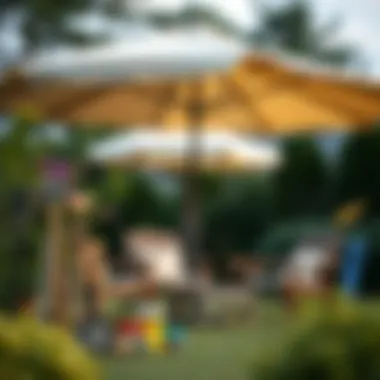
Storing the umbrella like this can prevent damage from sunlight and moisture, prolonging its life. It's worth noting, however, that not everyone has the luxury of indoor storage, especially in smaller homes or apartments. In such cases, you might want to look for heavy-duty covers that can withstand the elements while keeping your umbrella safe.
Covers and Protectants
Covers and protectants for sun umbrellas play a significant role in minimizing wear from environmental factors. Using a fitted cover is a good way to shield it from UV rays and moisture when not in use. Many covers are made from breathable fabric that helps prevent mold growth, which is a key characteristic that sets them apart from standard tarps.
These covers often come with ties or zippers to ensure a snug fit, making them a beneficial choice for safeguarding your umbrella. One unique advantage of high-quality covers is that they can be waterproof and UV-resistant, offering substantial protection. On the downside, they can be somewhat bulky and may require some effort to put on and take off. However, the investment is worthwhile if it means preserving your umbrella for many seasons to come.
"Maintaining your sun umbrella is not just about keeping it looking good; it’s about ensuring it performs well and lasts longer in your outdoor oasis."
Enhancing the Outdoor Experience
Having a sun umbrella in your garden not only provides much-needed shade but also plays a critical role in creating an inviting outdoor space. This section underscores the importance of blending functionality with design, ensuring that your garden isn’t just a space for plants and flowers, but a serene retreat complete with comforting ambience and style.
Pairing with Garden Furniture
To take full advantage of your sun umbrella, thoughtfully pairing it with the right garden furniture is key. Whether it's a cozy set of lounge chairs or a dining table for al fresco meals, the right combination elevates the whole experience. A strong emphasis should be placed on coordination—having furniture that complements the color and style of your umbrella enhances the overall aesthetic. For instance, a deep mahogany wooden table can pair gracefully with a classic canvas umbrella, while a sleek, modern aluminum set may suit a vibrant, bold polyester canopy better.
When choosing your furniture:
- Consider Size: Make sure the dimensions of the furniture and the umbrella work well together. Too large a table for a small umbrella can dampen the experience.
- Comfort Matters: Opt for cushions and seating that encourage relaxation and enjoyment.
- Materials: Choosing weather-resistant materials for both the umbrella and furniture will ensure durability against elements.
Creating Ambiance with Accessories
Accessories can turn your garden from merely functional to downright delightful. It’s about layering textures and styles to build a harmonious look that speaks to your personal taste. Let’s break down some important accessories:
Lamps
Lighting adds a whole new dimension to a garden setting, especially as the sun dips below the horizon. Outdoor lamps not only provide illumination but also act as focal points that draw the eye. String lights are a popular choice, creating a fairy-tale atmosphere. Alternatively, solar-powered lamps can be a practical and eco-friendly option, functioning well without hefty electricity bills.
While choosing lamps, consider:
- Brightness: Striking a balance between ambiance and visibility is crucial; too dim and guests may struggle to see.
- Design: The stylistic elements of the lamp should fit the overall theme of the garden. Just like that, a rustic lantern could suit a cottage garden, while a sleek modern lamp would better match a contemporary setting.
Outdoor Rugs
An outdoor rug can be a game changer—essentially outlining your seating area and bringing warmth underfoot. These rugs are an effective way to define spaces and can inspire harmony between different elements in your garden. Select rugs made from durable materials that are resistant to fading and mold. Natural fibers tend to lend a more organic feel, while synthetic options can add a pop of color without the fuss of upkeep.
When choosing an outdoor rug:
- Material: Opt for weather-resistant textiles to avoid wear and tear caused by rain and sun.
- Size: A correctly sized rug can visually expand the dining or lounging space, anchoring the umbrella and furniture.
Decorative Pillows
Last but certainly not least, decorative pillows can add a dash of flair to your garden furniture and sun umbrella setup. They are an easy and cost-effective way to change the vibe of your outdoor space. Color and pattern can enliven a muted palette, encouraging a relaxed and inviting atmosphere. Choose pillows that have removable covers for convenience when it's time to clean or store them.
Features to consider:
- Weather Resistance: Just like your umbrella, these pillows should withstand outdoor conditions—materials that are UV-resistant and water-repellent are excellent choices.
- Color Coordination: Pick designs or colors that harmonize with other elements, creating a seamless look.
"Creating a vibrant outdoor space is not just about aesthetics, it’s about crafting an experience that welcomes relaxation, conversation, and enjoyment of nature."
By focusing on these key elements—pairing with garden furniture, utilizing lighting with lamps, adding texture with outdoor rugs, and embellishing with decorative pillows—you can create an outdoor haven that stands out. Every detail can contribute immensely to an enhanced outdoor experience, ensuring that your garden becomes a beloved retreat for you, your family, and friends.
Finale: The Role of Sun Umbrellas in Garden Design
In the world of garden design, sun umbrellas serve not just a practical purpose but enhance the entire aesthetic of outdoor spaces. These umbrellas are vital for creating inviting environments where families and friends can gather. Imagine sipping on your iced tea while lounging beneath a colorful canopy that complements the flora around you. It’s about more than just shade; it’s about creating an atmosphere.
Importance of Functionality and Aesthetics
Sun umbrellas function as central elements in outdoor settings. They provide relief from harsh sunlight, which is especially appreciated during summer months. When you think about it, without proper coverage, outdoor spaces can be less enjoyable. This umbrella allows folks to extend their time outside without sweating buckets or turning lobster-red.
Moreover, they come in various styles, colors, and designs. A well-chosen sun umbrella can blend seamlessly with garden furniture or even stand out as a striking focal point. Perhaps a rich burgundy umbrella harmonizes with terracotta pots and vibrant green foliage, creating a lively contrast.
"A sun umbrella isn't merely a tool; it's a canvas for expressing one's style and approach to outdoor living."
Enhancing Comfort and Usability
On a different note, usability plays a significant role. A carefully placed umbrella transforms an otherwise open, sun-scorched area into a cozy retreat. They offer versatility; you can reposition them as the sun travels across the sky, which means maximum shade at all times. Ensuring the umbrella fits the space is equally crucial. A small umbrella might feel lost in a large garden, while a massive one can overwhelm intimate seating areas.
Considerations for Choosing the Right Umbrella
When incorporating sun umbrellas into garden design, several elements should be in check to achieve that harmonious balance:
- Material: The frame and fabric should withstand local weather conditions; this is where durability counts.
- Color Matching: The umbrella should resonate with the existing color palette of your outdoor space.
- Ease of Use: Look for adjustable models that are simple to set up and take down.
Closure
In essence, sun umbrellas do far more than provide cover. They shape the outdoor experience, define spaces, and add layers of aesthetic charm. As we’ve explored, making the right choice involves considering various aspects from functional needs to aesthetic appeal.
Incorporating a sun umbrella into your garden design isn’t just a practical endeavor; it’s a thoughtful step towards creating a more enjoyable outdoor environment for everyone. So whether you’re a homeowner looking to enhance your yard, an interior designer crafting outdoor aesthetics, or a DIY enthusiast on the hunt for the perfect addition, remember that the right sun umbrella can make all the difference.